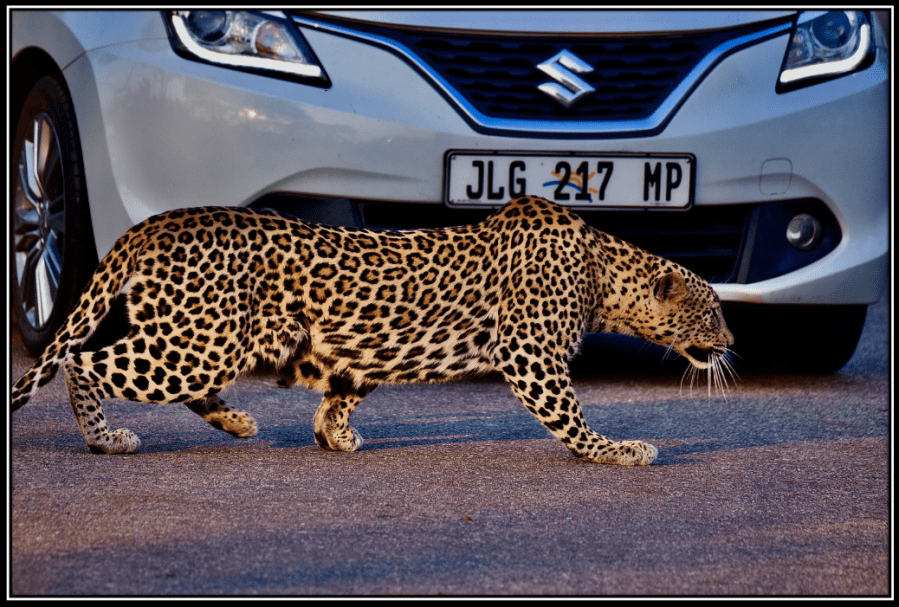
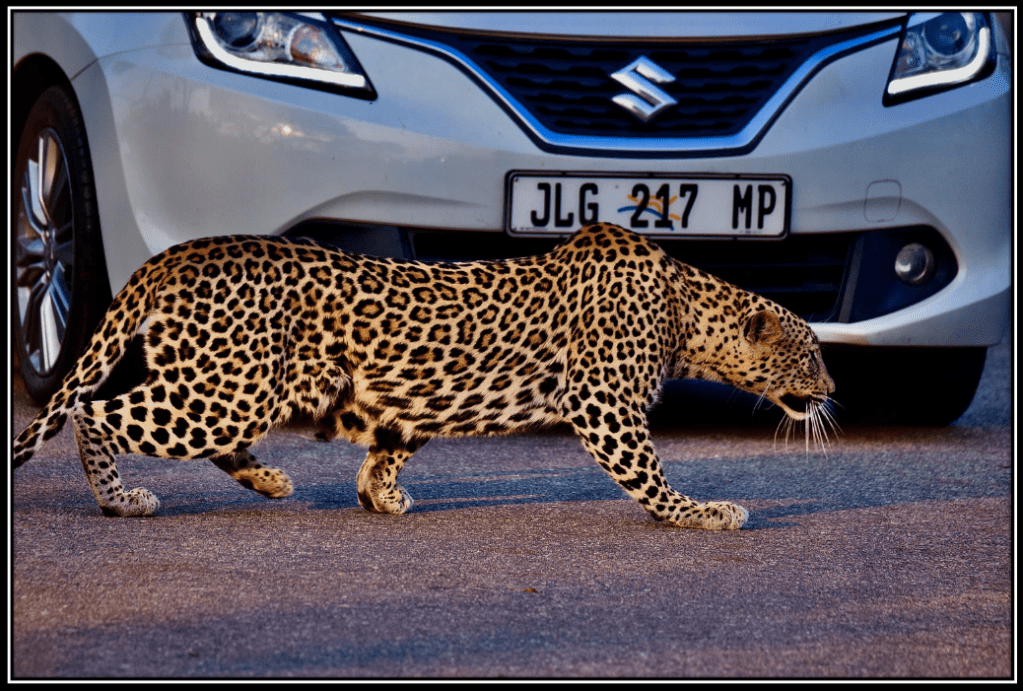
South Africa is a country famous for its safaris, Cape Town and the Table mountain, and of course, Nelson Mandela. It also boasts of the Garden Route, one of the world’s most beautiful scenic drives. From the majestic big cats, frolicking impalas, stately elephants, and wonderous zebras to the exquisite lilac-breasted rollers and the hornbills, you can never tire of the wildlife that South Africa has to offer. South Africa though remains quite an enigma for many in terms of how to plan a trip, with too many options and things to do. We spent two weeks in this heavenly place recently, and are laying it all out for you here. We write about how to plan the perfect safari in this blog, and have covered the Garden Route and Cape Town in separate ones. We have shared our suggested itinerary at the end of the blog.
General tips:
Best time to go: South Africa has enough to offer across the year. Being in the Southern hemisphere, its summers and winters are opposite to those up North. You can enjoy the gorgeous summer along the Garden Route between Nov-Apr, with predictable good weather and less chances of rain. Winters are moderate but not sub-zero, but have relatively higher chances of rain. However, whale watching season is July-October (an almost guaranteed time being Aug-Sept); so there is something big to entice you then as well! May to October is also ideal for the safaris, as the vegetation is low and sparse.
Getting around and general safety tips: Safety is an issue in most places, although the Garden Route and Cape Town are relatively safer. However, it would be preferable to use rental cars or Uber rather than public transport at most places, and overall be more cautious and avoid being out in deserted places in the dark, wherever you are. Personally, we encountered no mishaps. We are laying down some general rules though based on the feedback we received. For example, do not travel with valuable ornaments or watches. Don’t rely on hotel room safes; hide your valuables in a safe place or carry them with you. Don’t keep cameras or purses in visible locations after locking your car; car smash and hit’s do happen in many localities. We have read about carlock jammers which block the signal from the car keys to lock the car, so please check the car doors after pressing the lock key as well. Overall avoid empty spaces in the dark, and be on a relatively higher alert while traveling.
Miscellaneous: Tap water is safe to drink in most places. The Kruger area was an exception when we traveled as there was outbreak of cholera reported there recently.
Getting a sim and exchanging currency is quite straightforward; do avoid doing so at the airport though where they are priced much higher.
Credit cards work almost everywhere; we never ended up using Rands to pay for anything (including tipping our walking tour guide!). However, it might be a good idea to convert some money for emergencies or to keep small change in the pocket and avoid removing your card every time. Credit card number theft is something to watch out for as well; hide the details while typing your credit card pin.
Please carry a travel adaptor plug. The type M plugs used in South Africa are not really used elsewhere.
We are sharing the places we recommend, amongst other titbits, on our google maps page. You will have to zoom over to South Africa or go to this link and select South Africa.
Planning the ideal safari
Kruger is often the first name which comes to your mind when you think of South Africa. And for good reason! It is the amongst the largest national parks in Africa, and is now part of the Greater Limpopo Transfrontier Park, spanning South Africa, Mozambique and Zimbabwe. The unique thing about Kruger is that it has paved roads to drive and explore the nature. In fact, most of the sightings happen with the animal crossing the road or walking along it! Besides the big five, it is home to numerous other exquisite animals and birds. The downside of a Kruger safari though is that you cannot go off the road.
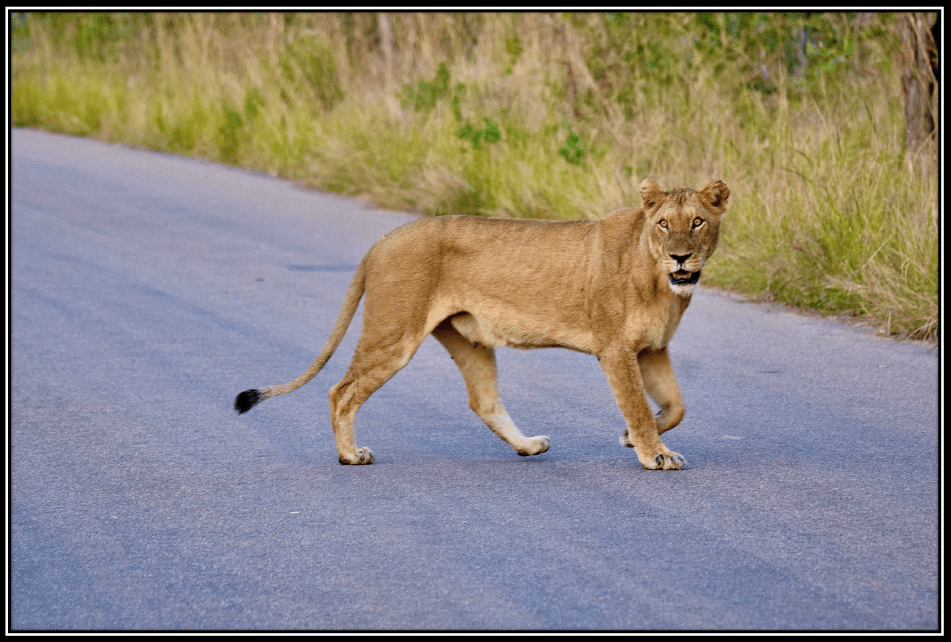
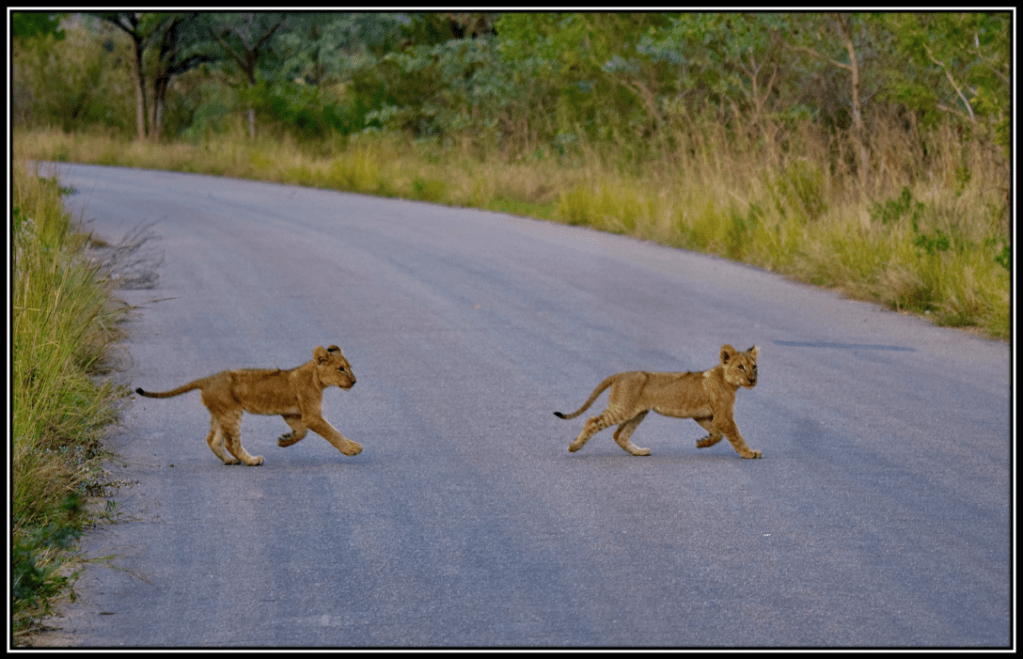
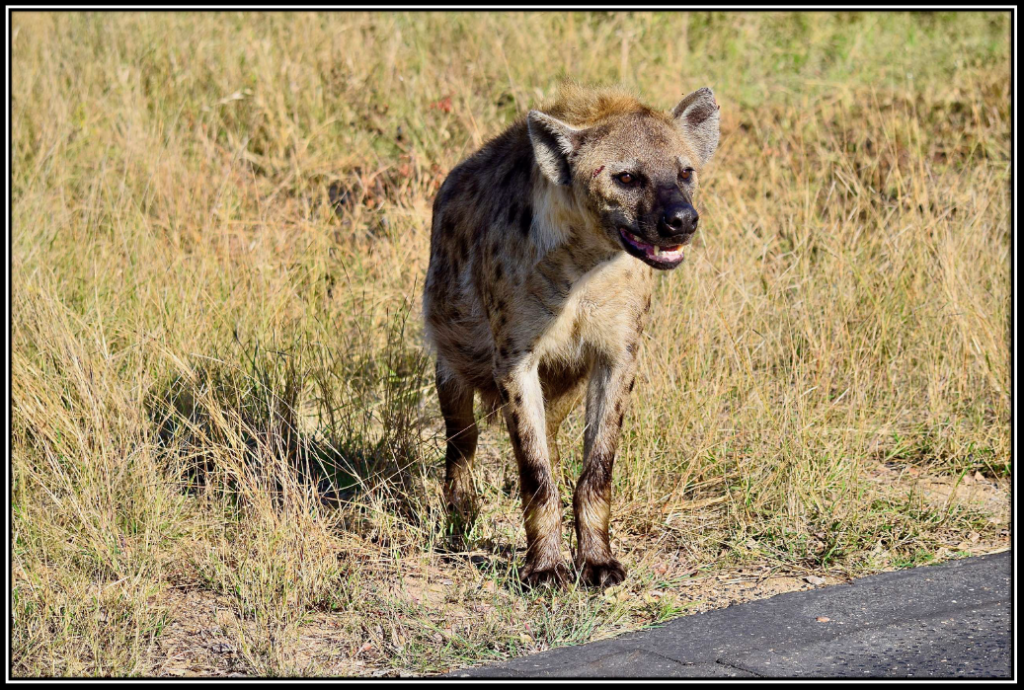
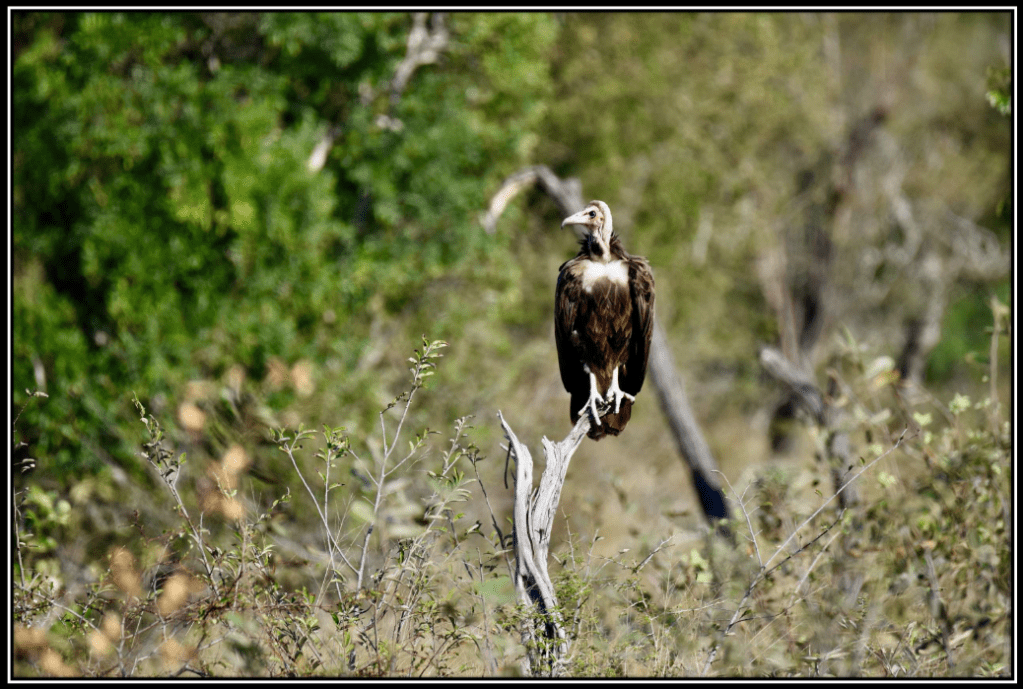
How to reach Kruger: Johannesburg will usually be your base to travel to Kruger. There are three airports located closer to the Park, the Kruger Mpumalanga International Airport (Nelspruit), Eastgate Airport (Hoedspruit) and Phalaborwa. They have limited and rather expensive flight options, but are certainly more convenient if you can afford it. Kruger is a 5-7 hour drive from Jo’burg depending on where you are staying, but don’t let the distance deter you. We know many who instead opt to go to other closer options like Pilanesberg National Park + Sun City (a 3.5-4 hours drive), but it doesn’t come close to what Kruger has to offer.
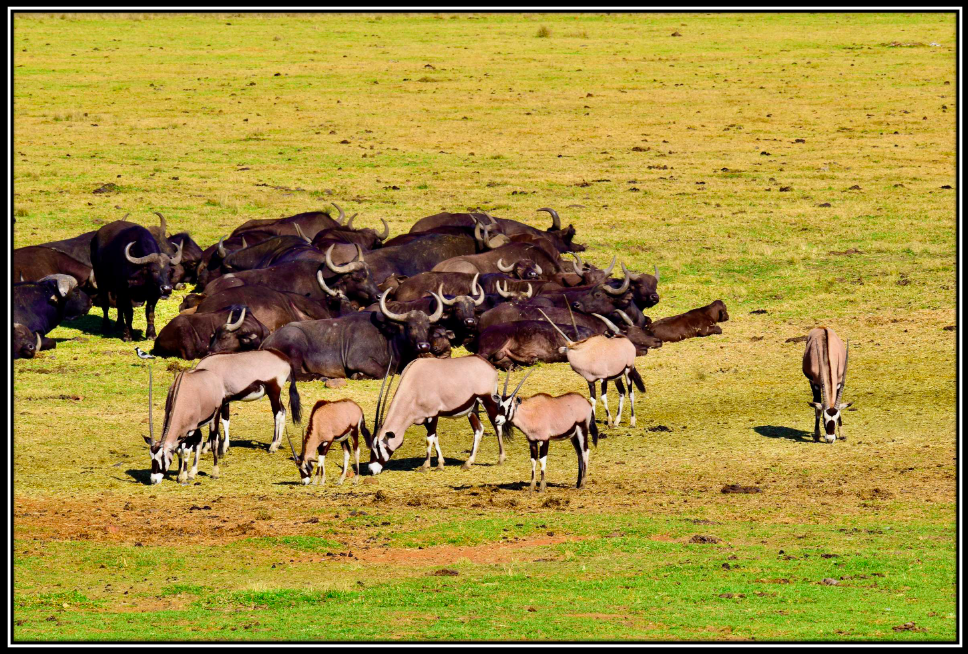
Three ways to experience Kruger:
1. You can book a safari for Kruger. This can be done via many vendors (https://www.safaribookings.com/ is a good option to compare and choose). You can choose to stay in more expensive hotels within the park. This allows you to reach the game early in the morning and avoid paying daily park fee once inside the park. Another cheaper option to stay inside the park is booking the more basic rest camps and safaris run by the South African National Parks organization at https://www.sanparks.org/. The latter is the only one who is allowed to offer a night safari as well. You can also consider staying in cheaper hotels outside the park, located close to the park gates (many tours stay at Hazyview).
2. Kruger is also exciting in that it allows self-driving. So you can drive your own vehicle along the park, giving you an experience unlike any other safari! While this is great for regular animal enthusiasts, we would recommend going with a guide for the rest as they provide valuable information about the animals and birds en route and are much better at spotting the animals.
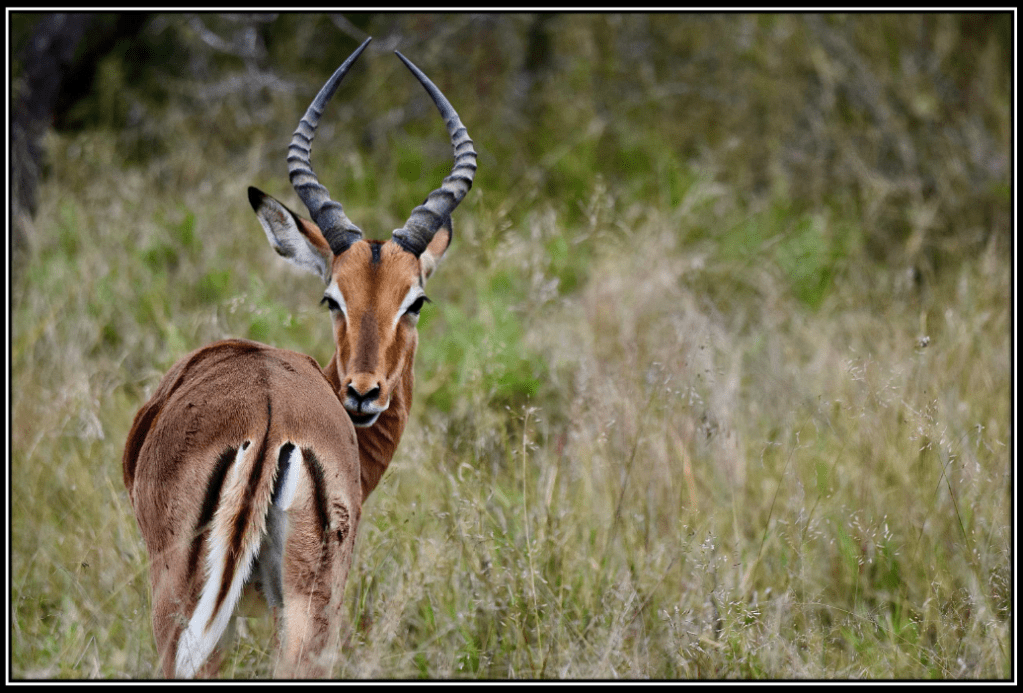
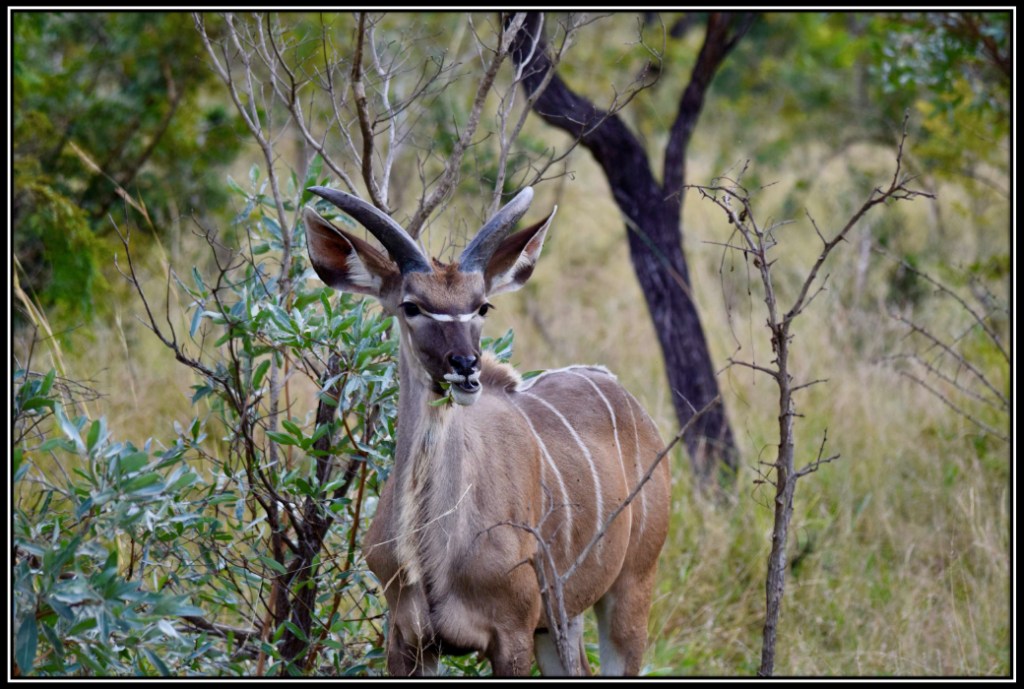
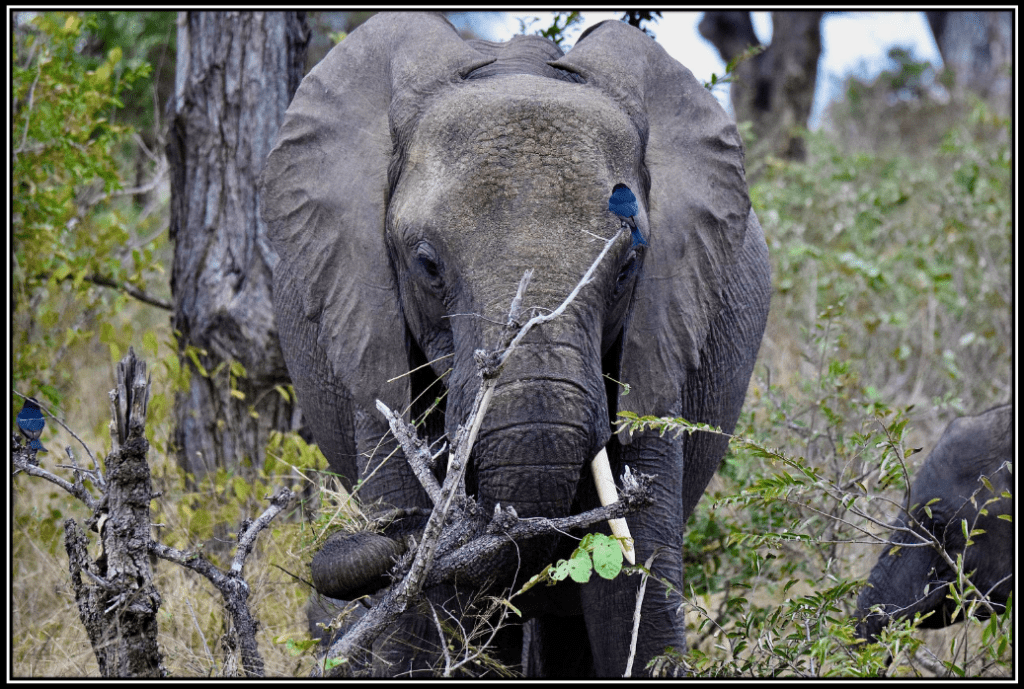
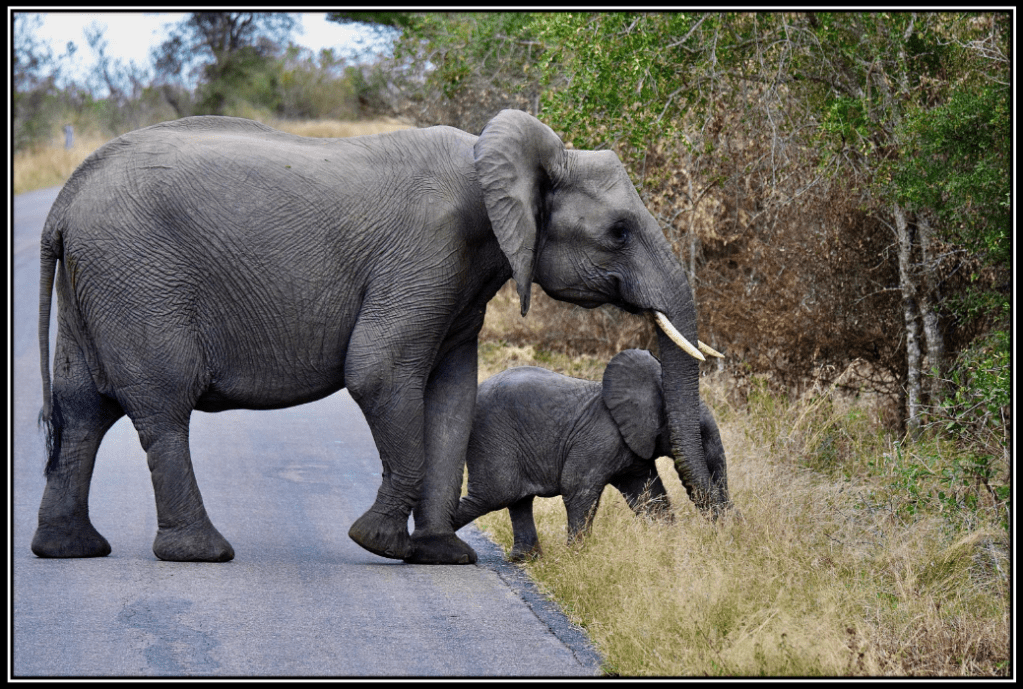
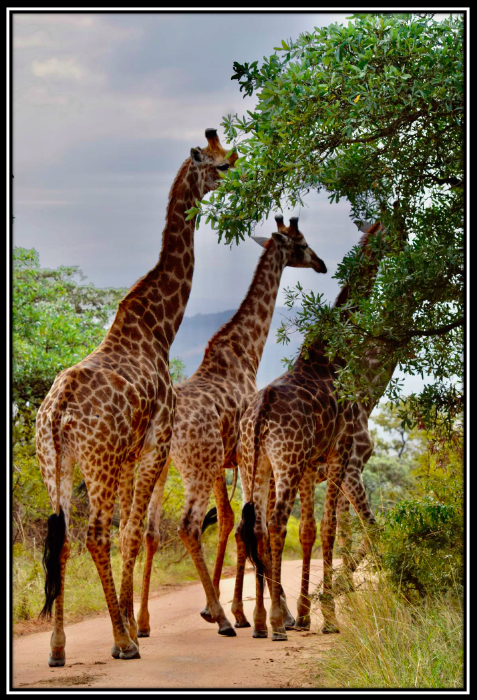
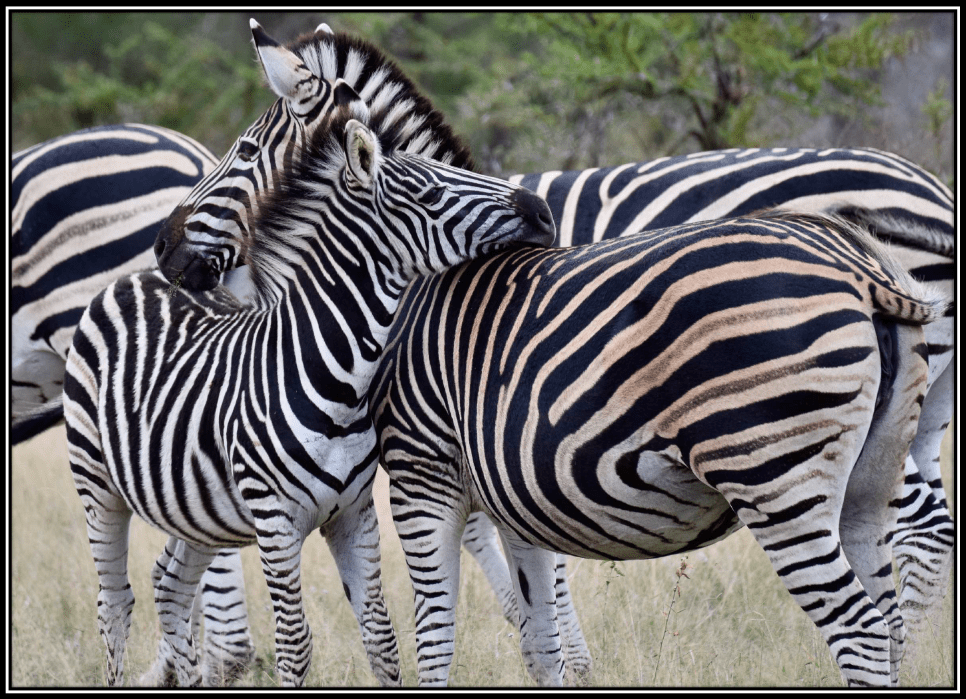
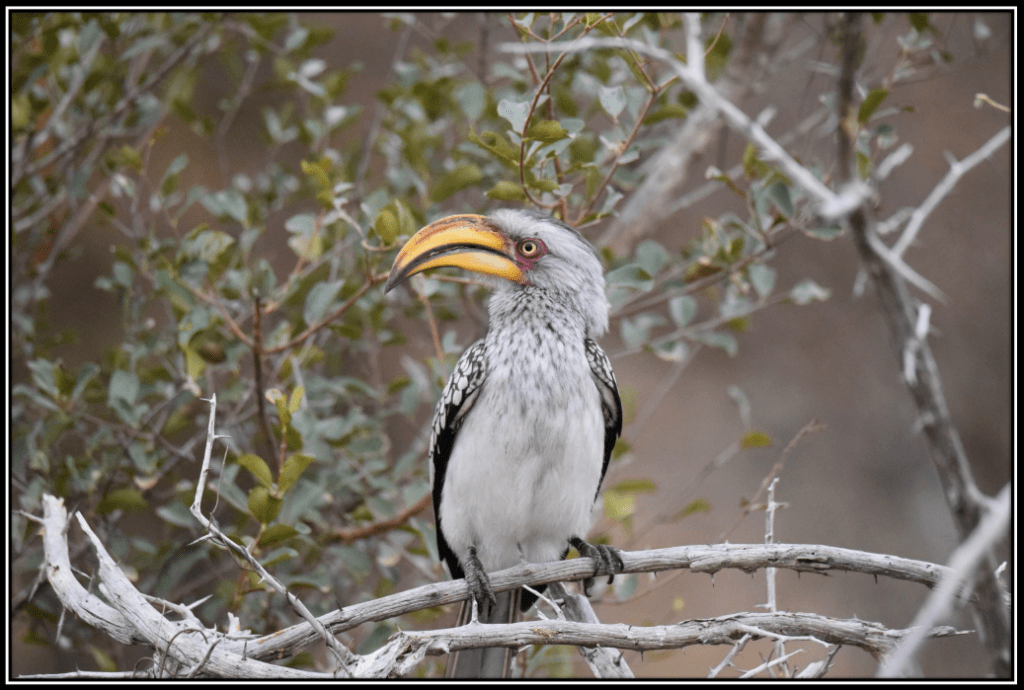
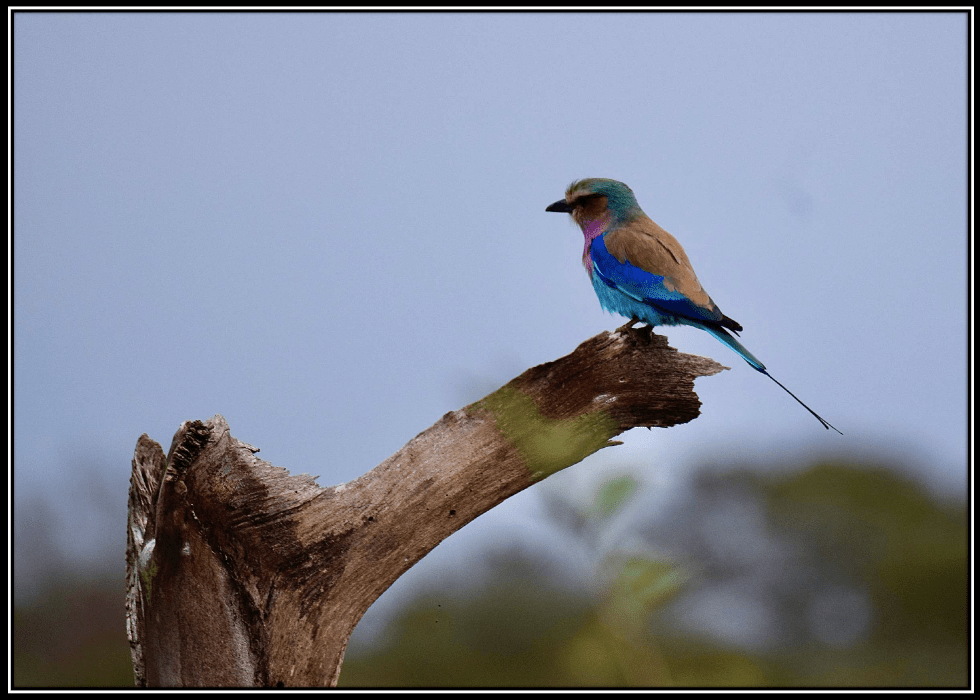
3. The third option is to book one of the many private game reserves (most famously Sabi Sands) adjoining Kruger, with contiguous terrain. These are way more expensive, but also offer a much more ‘premium’ experience, with excellent guided tours and bushwalks by well-informed staff and an almost guaranteed intimate sighting. Unlike Kruger, one can go off road to ensure an experience up close and personal. The guides are also better connected with each other via radio. One can explore these game reserves only if one stays in one of the lodges within the reserve.
A unique aspect offered in Kruger is the ‘bushwalk’ or the walking safari, where one can walk relatively close to some wild animals with armed guards (these usually don’t allow kids though). Most private game reserves include the bushwalk, and you can also avail them in the Kruger National Park.
Kruger vs private game reserve:
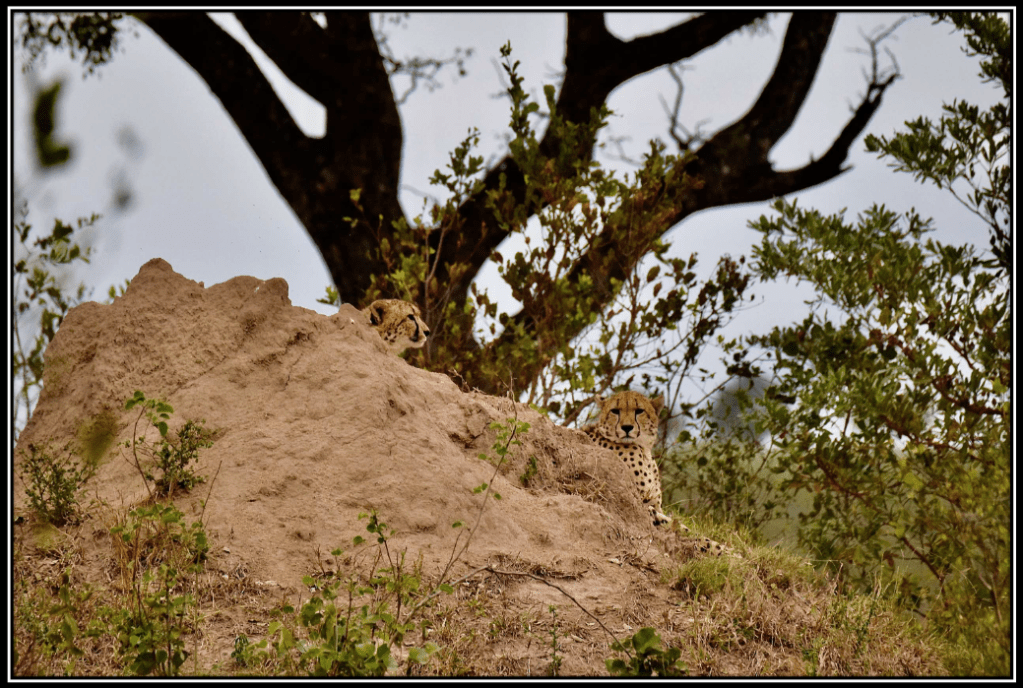
We would suggest considering at least one-two nights in one of the private reserves to ensure guaranteed good spotting, and then add the Kruger drive if you have more time. Kruger is a more thrilling experience – you feel you have earned the sighting when you see one. However, it does remain a hit or a miss; spotting the big five is not a given, and they may be too far away for a good view or photo.
Few tips for the safari:
The early morning and the full day safaris are your best bets, as the evening safari is relatively short (having said that, we did get our best leopard sighting in our evening safari). The full day safari also ends by 3-4 pm, and doesn’t really go on till sunset, which needs a separate evening safari booking. You can try and discuss with your safari operator upfront whether you can get a true full day option.
Having a good guide is paramount. As it is a self-drive park, ‘regular’ drivers may double up as guides and drive you around without giving much information. Clarify upfront with your safari operator regarding this, and ask the guide to point out not just the big five, but the rest of the flora and fauna as well; the birds there are a beauty to behold.
Be prepared for colder weather than what Google shows. The temperature drops a few degrees inside the park.
The safaris usually have a packed breakfast, and stop inside the park at designated areas which have restaurants and rest rooms for lunch.
Things to do in Johannesburg: South Africa’s largest airport, OR Tambo, is in Johannesburg (also called Jo’burg locally). It is quite likely that you will spend some time there in between traveling to Kruger. While no match for Cape Town, there are a few interesting things you may consider doing if you have a day in Jo’burg.
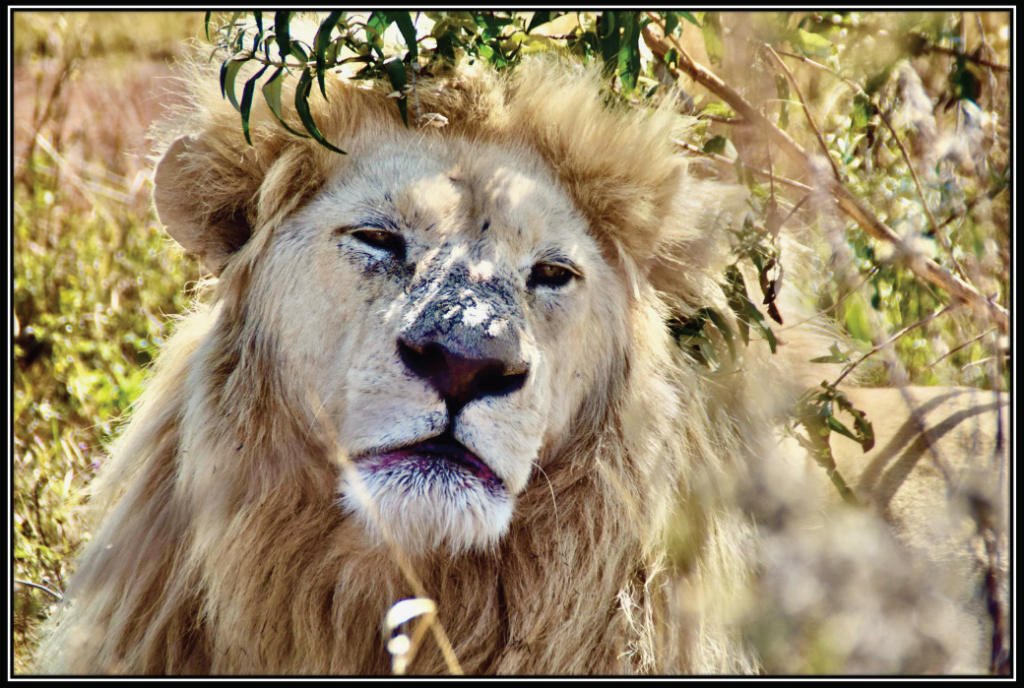
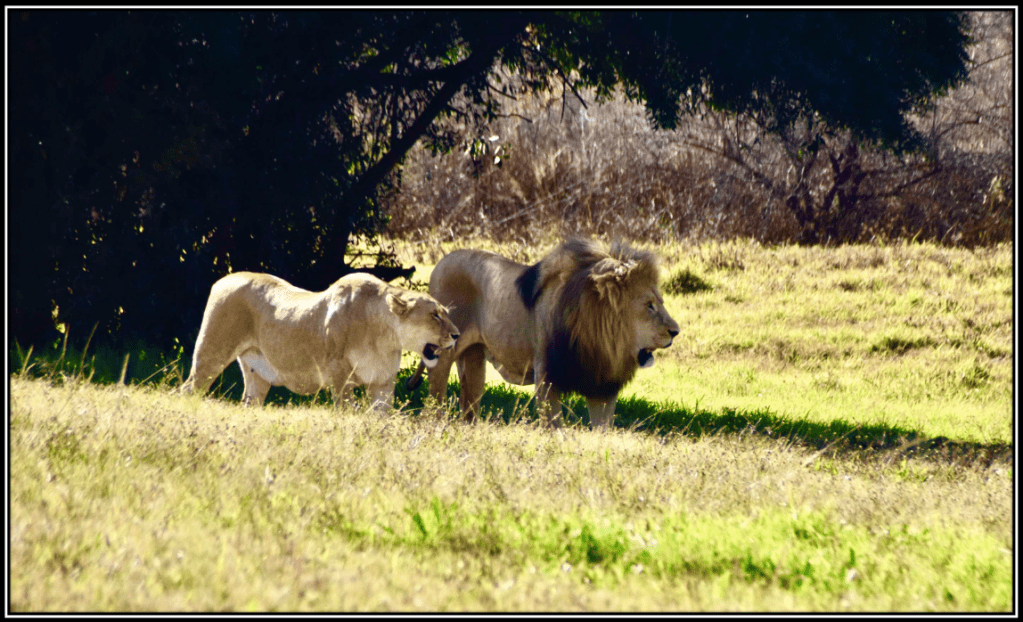
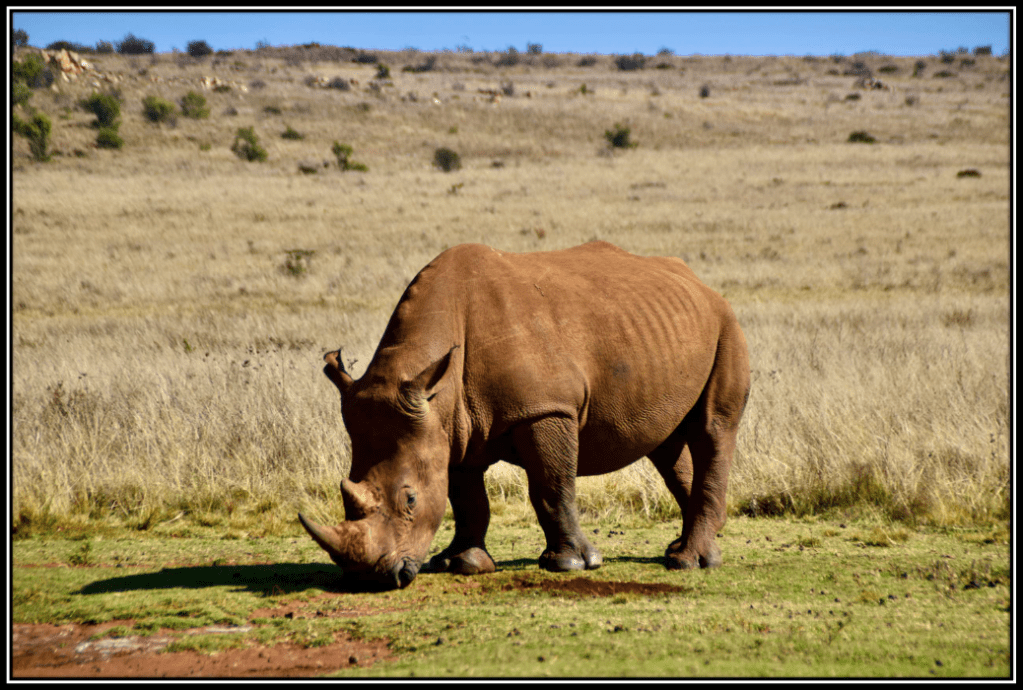
1. There are a few lions reserves located at about an hours drive from Jo’burg, like the Lion and Safari Park and the Bothongo Rhino and Lion Nature Reserve. These provide pretty close tete-a-tetes with the semi-wild animals there. You can consider going here if you are not going to stay in a private game reserve around Kruger, as you will get guaranteed sighting here to offset anything you miss at Kruger. These can be experienced on self-drive with your own car, or by using the guided safari offered by the reserve.
2. The Cradle of Humankind is a UNESCO World Heritage archaeological excavation, not too far away from the lion reserves. It has the world’s largest concentration of human ancestral remains. The Cradle has two ticketed spots. The Maropeng Visitor Center has multiple fossils and stone tools, and has a lot of details regarding the origin and evolution of humans. The Sterkfontein Caves are the biggest attraction. Over a third of the world’s early hominid fossils were discovered here, including an almost complete Australopithecus skeleton.! The cave tour includes walking across stalagmites and stalactites, an underground lake and multiple narrow passages and stairs (avoid it if you are claustrophobic). A note – Please put Maropeng: Official Visitor Centre for the Cradle of Humankind on google maps (and not Cradle of Humankind) to avoid being misdirected.
3. Jo’burg city itself has less to offer. You can consider going to the Apartheid museum and the Mandela house if you would like to know more about South Africa’s fight against apartheid. Another historical place is the Constitution Hill (previously a prison complex and now a museum) which houses some very interesting exhibits; famous former prisoners include Nelson Mandela and Mahatma Gandhi. Mary Fitzgerald Square is a lively public space worth experiencing, and is surrounded by popular structures like the Market Theatre (which hosted much of the 1980s ‘struggle theatre’ against apartheid ) and the MuseuMAfricA (that’s how they spell it!).
4. If you like casinos and have a free evening with not much else to do, consider going to the Emperors Palace. It is close to the OR Tambo airport and even offers a free shuttle.
Where to stay in Johannesburg: We would suggest staying close to the airport as most safari pickups happen from the airport region and not from the main city. We would recommend staying at the Souther Sun OR Tambo Airport Hotel located 10 min away from the airport. It offers a free shuttle to the airport every 15 minutes, free breakfast with a great spread, and even gives a packed breakfast if you have to catch an early morning flight. And its service was really good.
Other places to see around Jo’burg – Kruger:
1. If you have more time, you should strongly consider exploring the Blyde River Canyon, including its famous horseshoe bend and the God’s Window point, situated close to Kruger. These extraordinarily beautiful places require a separate blog altogether, but we are not elaborating further as we couldn’t go there ourselves.
2. As we mentioned earlier, some consider going to Pilanesberg National Park instead of Kruger, given its closer location to Jo’burg (3.5-4 hour drive) and the opportunity to go to Sun City, the Las Vegas of South Africa. We would recommend avoiding this as the animal sightings are not as good as Kruger.
Our suggested itinerary:
The ideal way to explore South Africa would be over two trips of 10-14 days each. You can explore Kruger and the Blyde River Canyon on one trip, and the Garden Route and Cape Town over another.
If however, you wish to cover majority over one trip, here is what we would suggest.
Day 1: Land at Jo’burg.
Day 2: Explore the Cradle of Humankind. If you are not going to a private game reserve at Kruger, go to the Lion Safari / Bothongo.
Day 3: Leave for Kruger early morning at 7 am. You may do an evening safari there once you reach.
Day 4 and 5: Do a full day safaris/bushwalks at Kruger National Park or a private game reserve near Kruger. You could consider spending one day in each as well.
Day 6: Drive back to Jo’burg after the morning safari. Catch an evening flight or next day early morning flight to George or Port Elizabeth (Gqeberha). Rent a car for the rest of the trip. Spend the night at Knysna or Stormsrivier village, depending on where you land.
Day 7: Start exploring the Garden Route. There are tonnes of things you can do here, depending on whether you want to go for natural beauty or adventure or relaxation or a mix of all of these. We would suggest starting by going to the suspension bridge at Tsitsikamma National Park and/or kayaking along the Storms River here. The Bloukrans Bungee Jumping is also close by, for those interested. You can go to the Knsyna Heads and Leisure Island for the sunset if you still have time. Spend the night at Plettenberg Bay/ Knysna.
Day 8: Consider trekking along Robberg Nature Reserve or doing a boat tour for the seals. Another option is to drive to Oudtshoorn for the Ostrich Farm and the Cango Caves. Spend the night at Mossel Bay or Kynsna.
Day 9: Drive to Hermanus/Gansbaai. Enjoy whale watching if it’s the season. Consider diving in a shark cage if this excites you. Do not miss going to Klipgat caves either today or the next day. Spend the night there.
Day 10: Drive to Betty’s Bay or Boulder Beach for the penguins. You can extend the trip to go to the Cape of Good Hope (Cape Point) as well. Drive to Cape Town for the night. Another option is to drive via Stellenbosch to taste South Africa’s best wines, and then take a separate day trip to the Cape Peninsula from Cape Town.
Day 11-13: Explore Cape Town. Things to do would include trekking or taking the cable car up to the Table Mountain, do a walking tour of Cape Town, savoring the lunch at Kalk Bay, going to Robben Island, and enjoying the sunset with the Table view at Bloubergstrand Beach.
Day 14: Fly back home with happy memories!
Given the tonnes of stuff to do, you can always add one or two more night along Garden Route or at Kruger; there is no way you will ever get enough of the beauty South Africa has to offer. Do read all details about planning the Garden Route and Cape Town in our next blogs!
 Travelously yours
Pingback: Planning the Ultimate Garden Route Itinerary – Travelously yours
Pingback: Top 10 Things to Do in Cape Town – Travelously yours