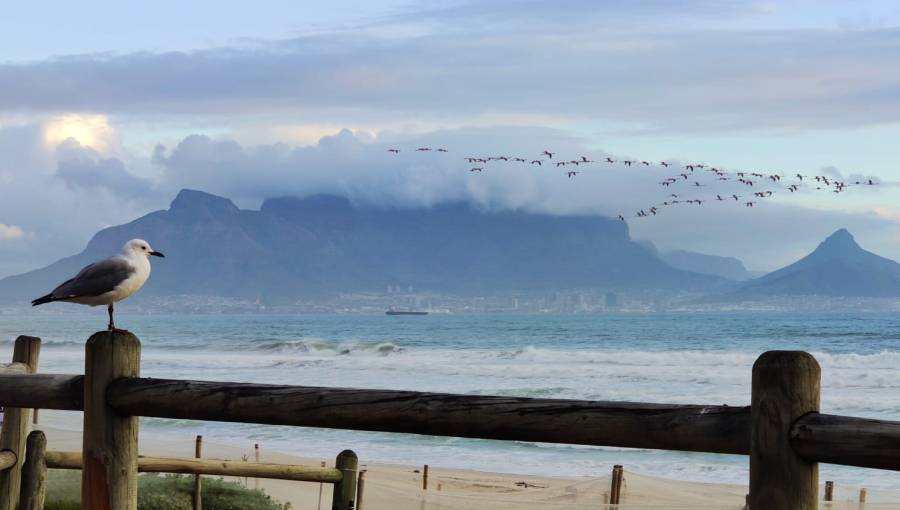
Cape Town is regarded (and regularly awarded) as amongst the best cities in the world to travel to. And for good reason too! The ‘Mother City’ boasts of the iconic Table mountain, incredible beaches, delectable food, rich history and culture, luscious wineyards, and extraordinary flora and fauna nearby. Whether you love adventure or luxury, food and drinks or history and culture or wildlife and nature, you will find Cape Town to have amongst the best experiences to offer.
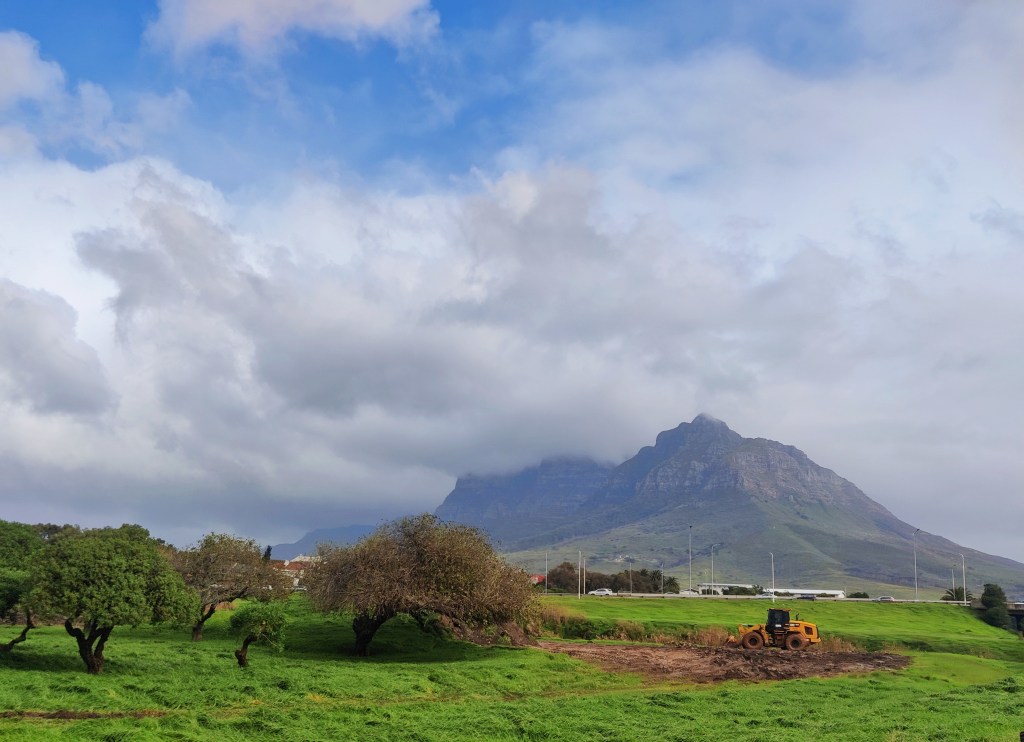
You can spend anytime from two days to two weeks in Cape Town without feeling bored. Here is a list of the absolute must-do things when in Cape Town.
Apart from Cape Town, we have also written on planning the perfect road trip along the Garden Route here, and on planning the ideal South African safari here. We have shared our suggested South African itinerary at the end of the blog.
GENERAL TIPS: We have shared our general overall tips for visiting South Africa in blog on the Garden Route. Cape Town is a relatively safe city, but it would still be a good idea to avoid certain areas, especially in the dark.
Summer is the best time to visit the city, but the city is also thronged by tourists then. March and November, the season ends, may be a better bet. Winter is also good as you will avoid the tourist crowds, but weather and rain can get fickle. Do remember though that the Cape can experience all four seasons in a single day, and the rains usually go away as fast as they arrive, allowing you good flexibility.
Renting a car is the best way to explore the city, and we would highly recommend it. Another option is the Hop on Hop off bus.
If possible, avoid traveling there during school vacation time to evade crowds. You can check the school holiday schedule here.
Where to stay: The Camps Bay area, Sea Point and the V&A Waterfront are safe and happening, so consider booking a hotel or renting an Airbnb in these regions. Staying in the City Bowl area in the city center is another option, especially for young solo travelers. We had stayed at Camps Bay and would highly recommend the area for its stunning views and beaches.
We are sharing the places we recommend, amongst other titbits, on our google maps page here. You will have to zoom over to South Africa or select South Africa from the menu on the left of the page.
1. The Table Mountain
The iconic Table Mountain is truly unmissable. We had stayed in Seattle for two years and understand what the daily view of a mountain (Mt Rainier, in Seattle’s case, which is still a two hour drive away) can do to the collective city consciousness and morale. Table Mountain is right within the city! The view of the city and its surroundings from the ‘Table top’ is simply exhilarating.
The simplest way to go to the top is to catch the 5-min cable car ride. Do check the forecast and call up the Cable car office before leaving, as the weather at the top may be very different, and the car may be shut due to the winds. Besides, the top may often be shrouded by clouds (‘Table Cloth’) or experiencing rain, especially in the winters, and it would be better to avoid it then. Plan going early morning if possible, and book tickets online especially if it’s during the popular summer season to avoid the queue. You can also trek to the top if you are up for some adventure, but it does get a bit arduous towards the top. Prefer a common trail, especially if it’s a weekday. Carry lots of water (there is no refill on the way up) and carry a jacket as it can get quite windy at the top.
2. Take a walking tour: We would highly recommend taking a walking tour to get a feel of the city history, geography and culture. The Historic/ Cultural tour is a great one to understand the origins of the ethnic diversity seen in Cape Town and in South Africa in general, and appreciate the history of the place. The Bo-Kaap and the Apartheid tours are other tours worth considering.
3. Robben Island: Nelson Mandela spent 18 of his 27 years in prison in the 5 km wide Robben Island, making it an extremely important place in South African history. During the tour, you’ll learn about the island’s history, its famous prisoners, and visit Mandela’s cell. Robben Island literally means seal island in Dutch, and you may indeed see seals and penguins en route. There are 3-4 daily tours happening, which can be booked online, departing from V&A Waterfront. We would strongly recommend catching the first tour in the morning, so that you have time to explore other areas later in the day.
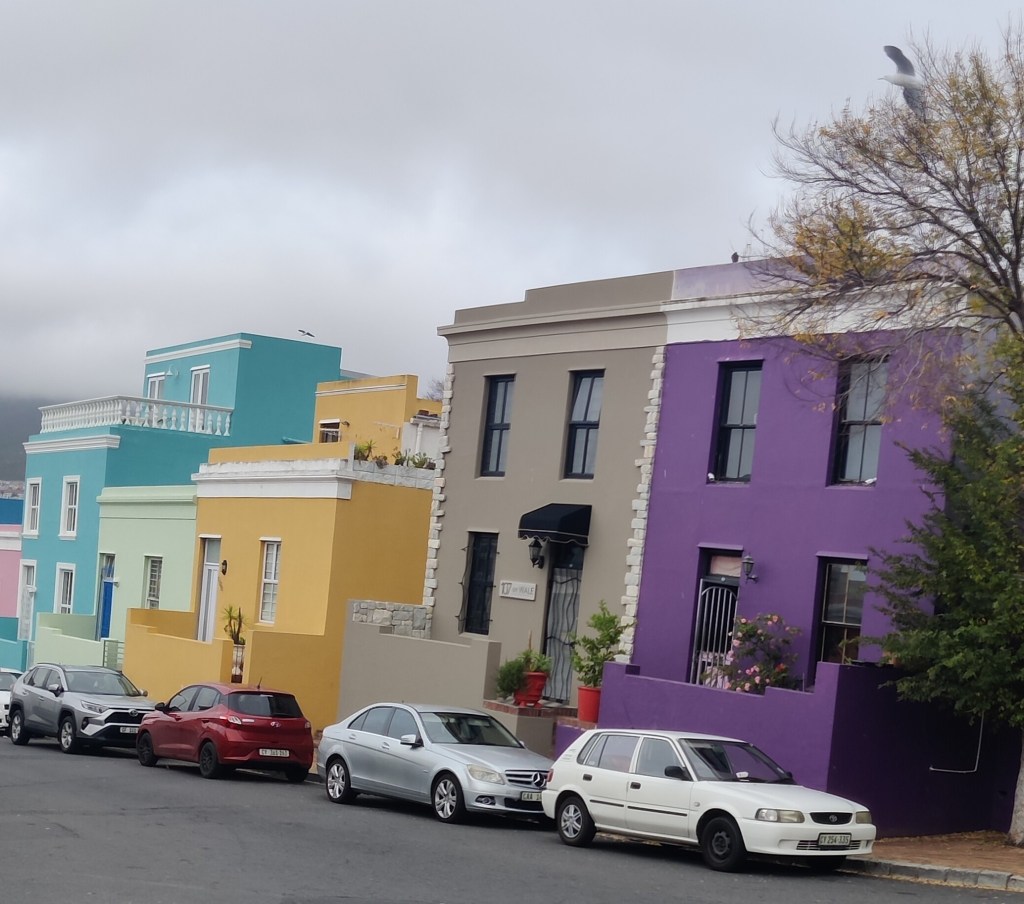
4. Bo-Kaap: Bo-Kaap (above the Cape in Afrikaans given its hilly location) is Cape Town’s most colorful neighbourhood, with dainty houses painted in different hues of red, yellow, orange, green, purple etc etc. No wonder then, it is a favorite amongst Instagramers, although choosing the perfect home to center the snap on is not that easy! It was home to thousands of slaves, predominantly from Malaysia and Indonesia. After the abolition of slavery, the residents painted their houses in bright colors to celebrate their freedom! This is a predominantly Muslim neighbourhood given these origins, and houses the country’s oldest mosque. You can take a walking tour here to understand more about the history and culture of the place.
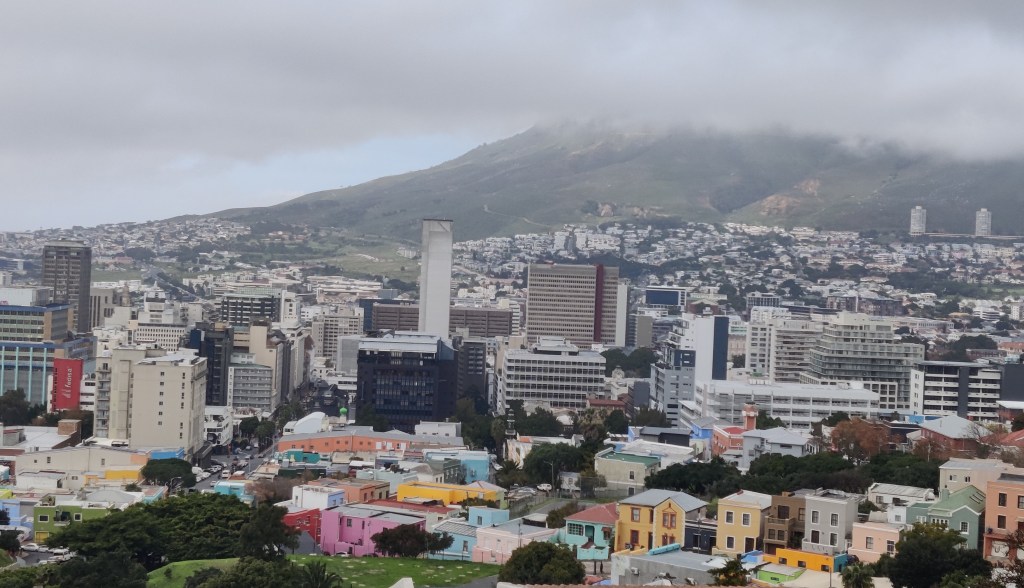
5. V&A Waterfront: The Victoria and Albert Waterfront area is a safe and fun place to walk and explore, with many lovely shops, cafes and restaurants around and local bands often playing. Attractions here include the Two Oceans Aquarium (our kids loved it!), the V&A clock tower, Cape Wheel (you can enjoy the sunset with a ‘picnic in the sky’, complete with a table in the gondola!), and Zeitz Modern Africa Art Museum. You can also catch a sunset or dinner cruise. You may see seals randomly lazing at the waterfront, so watch out for them!
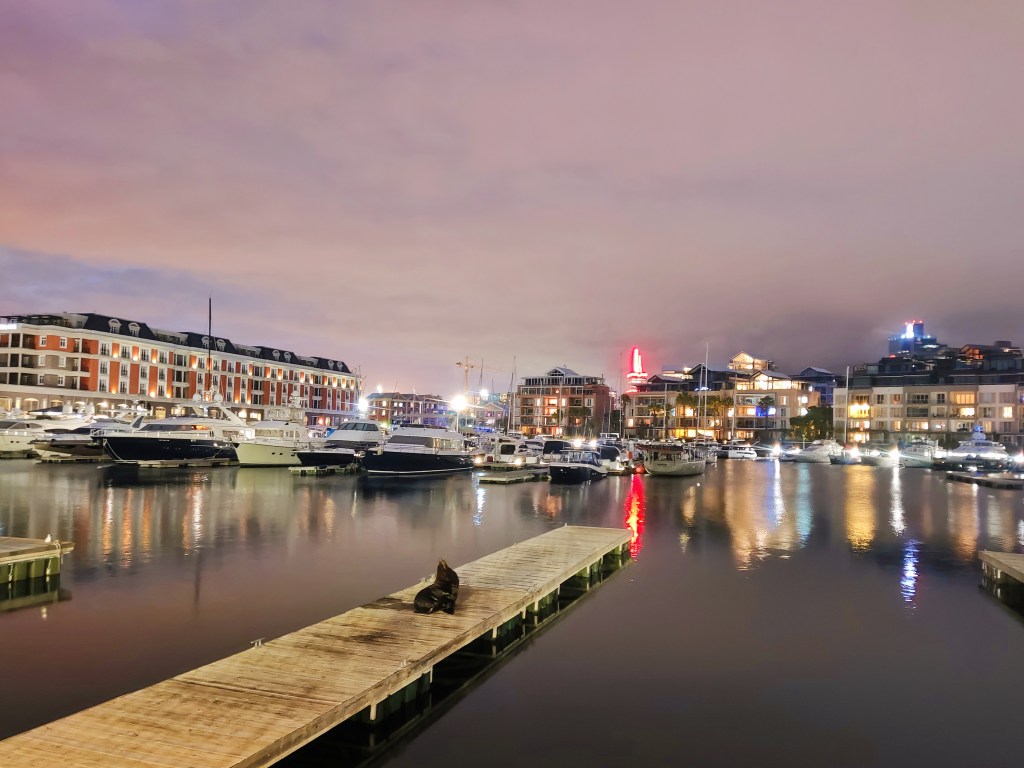
If you have time, do check out the Mullers Gallery and Museum at the Art Deco style building housing the Mullers Optometrists (since 1890). You have to go through the ‘time traveler’ elevator in the building (one of the oldest existing ones) to reach there. The museum houses old optometry tools and family valuables, while the gallery houses local promising artists. It is also a delight for those interested in architecture and history.
6. Kalk Bay and the Cape Peninsula (Chapman’s Peak Drive, Cape Point National Park and Boulders Beach): You must spend a day at the minimum exploring the gorgeous Cape Peninsula. The Chapman’s Peak Drive is a spectacular 15 km long coastal drive from Hout Bay to Noordhoek, rated as one of the most scenic drives in the world. You will need to pay a small toll for entry though. Another option is to drive along Kalk Bay, which also provides beautiful views. You will easily find friendly seals around at Kalk Bay or Hout Bay, as also some lovely restaurants and boutique shops. We particularly recommend Kalk Bay for its vibe and seals; it was rated as the top 12 coolest neighbourhoods in the world by Forbes in 2018! You can also consider doing the 2-hour trek to the Boomslang Cave if you have more time; it offers great views and some novice level caving to boot (you will need to leopard crawl for a short distance to reach the top).

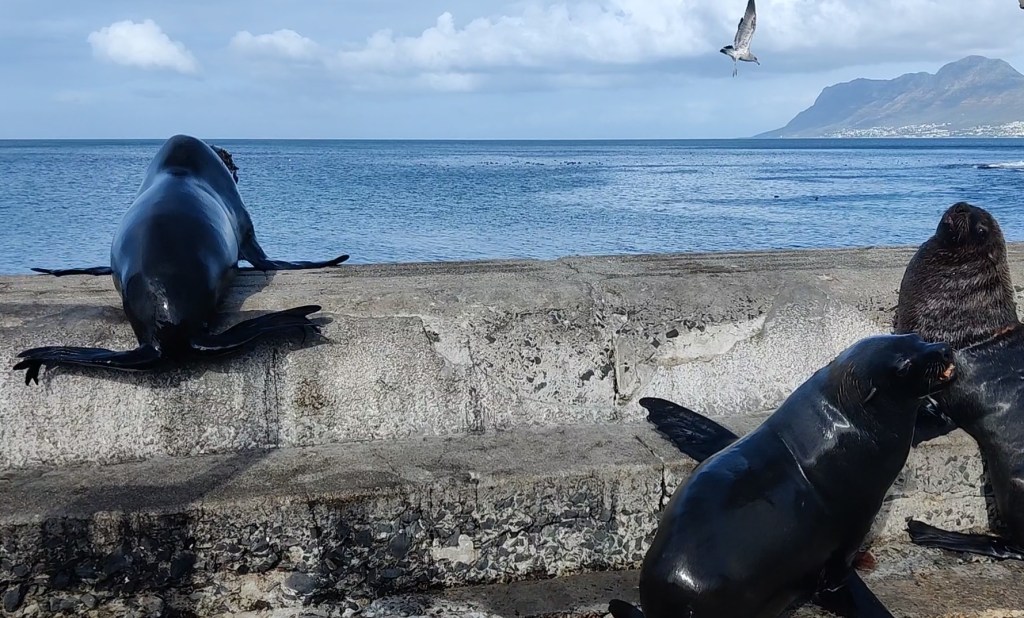
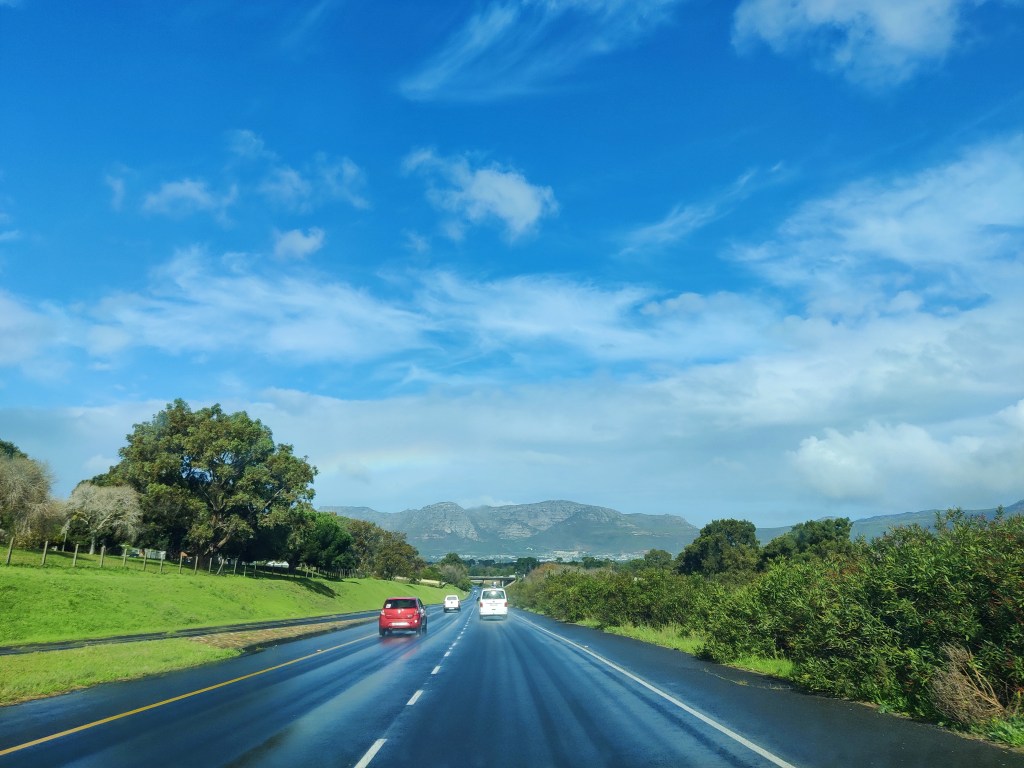
The Cape Point Natural Park is simply stunning, with multiple good treks and trails along mountains, beaches, boardwalks and pools, including the two-day Cape Point trail. You must visit the Cape of Good Hope, Diaz Beach and the Lighthouse. The Flying Dutchman Funicular rail can take you along the route for a comfortable ride.
The Cape Peninsula trip will not be complete without a visit to the Boulders Beach to see the extraordinarily cute African penguins strut and swim along the beautiful white sands and big boulders at this beach. The African penguins are the second smallest species of penguins, after the Fairy penguins found in Australia and New Zealand. Another less crowded place to view them if you are also traveling along the Garden Route is Betty’s Bay. In that case, a day trip to the Cape Peninsula will suffice.
Given the number of places to explore, you can consider spending one night in Simon’s Town close to Boulders Beach to beat the crowds and explore more early morning.
7. Lion’s Head or Signal Hill: Another place which guarantees a spectacular sunset or sunrise is Lion’s Head, with most of the city seen with the gorgeous blue Atlantic Ocean colors in the background. The only way to reach there is via trekking, which does get a little strenuous with ladders involved towards the end. The overall to and fro trek would take 2-2.5 hours (about 5.3 km round trip). The good news is that there is no entry fee!
If you have wish to avoid the trek, then another option is to go essentially drive all the way to the nearby Signal Hill, which also offers similar views. You might consider joining a group for the trek if its your first time there.
8. Kirstenbosch Botanical Garden: One of the largest botanical gardens in South Africa, this is a nice shady place to spend a summer afternoon! Entry is not free, but you can avail of free guided tours from Mon-Sat at 11am and 2pm. There are several walking routes inside the garden including the popular Tree Canopy Walk, and the Skeleton Gorge hike that ends on the top of Table Mountain.
9. Muizenberg Beach and Bloubergstrand Beach: While there is no dearth of good beaches across Cape Town, Bloubergstrand Beach provides a fabulous view of the Table Mountain while Muizenberg beach is extremely popular for surfing. We had gone to Bloubergstrand Beach and absolutely loved the view. If you are driving there, consider a short detour at the Wooden Bridge point for some lovely shots as well.
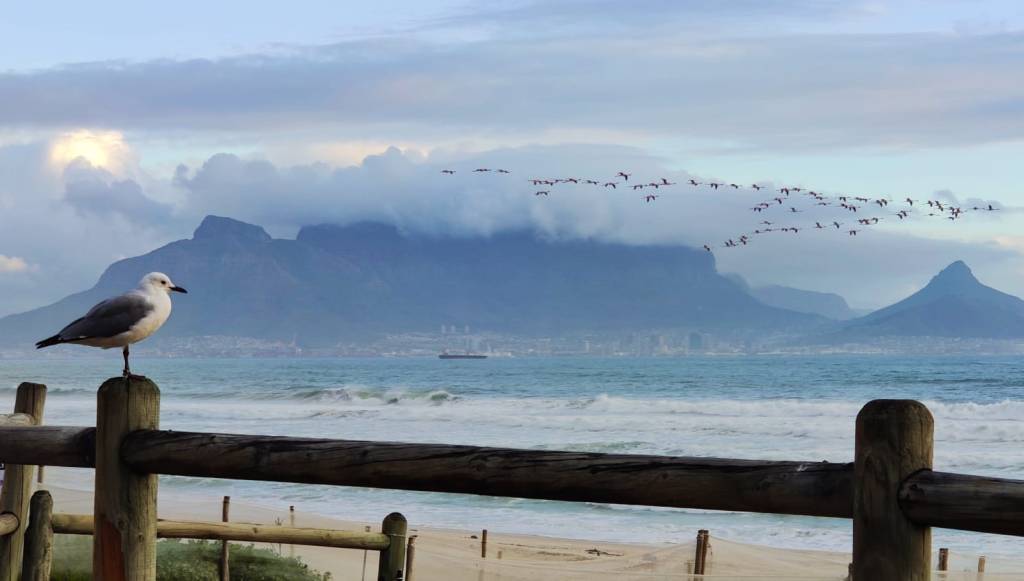
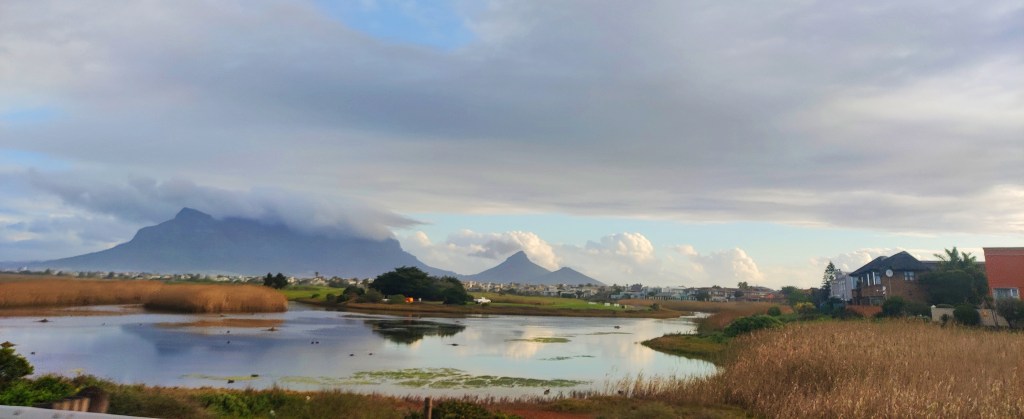
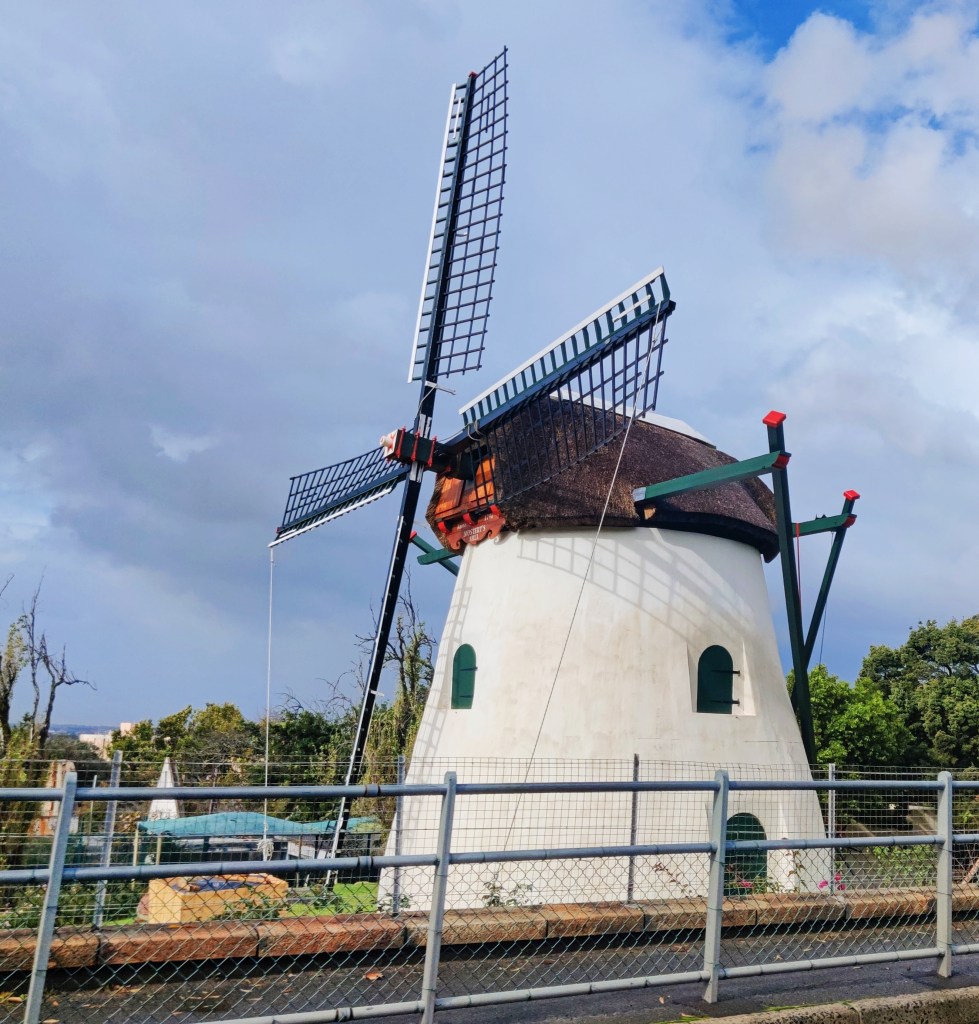
10. Camps Bay and Sea Point areas: The Sea Point Promenade is a popular place for jogging and cycling, while Camps Bay is amongst the fanciest areas of Cape Point, with pristine beaches and mansions with a fabulous view over the adjacent hills. These are great areas to chill out and relax if staying in Cape Town for longer.
Besides these, you can also consider doing a day trip to the vineyards of the Cape Winelands, around Stellenbosch or Franschhoek. Closer home, you can do a wine tasting tour at Constantia. Do also consider checking out the street art at Woodstock; there are some really colorful and eclectic wall murals pretty much at every block! Certain areas though are not the safest, and taking a walking tour or having a local along would be the preferred option.
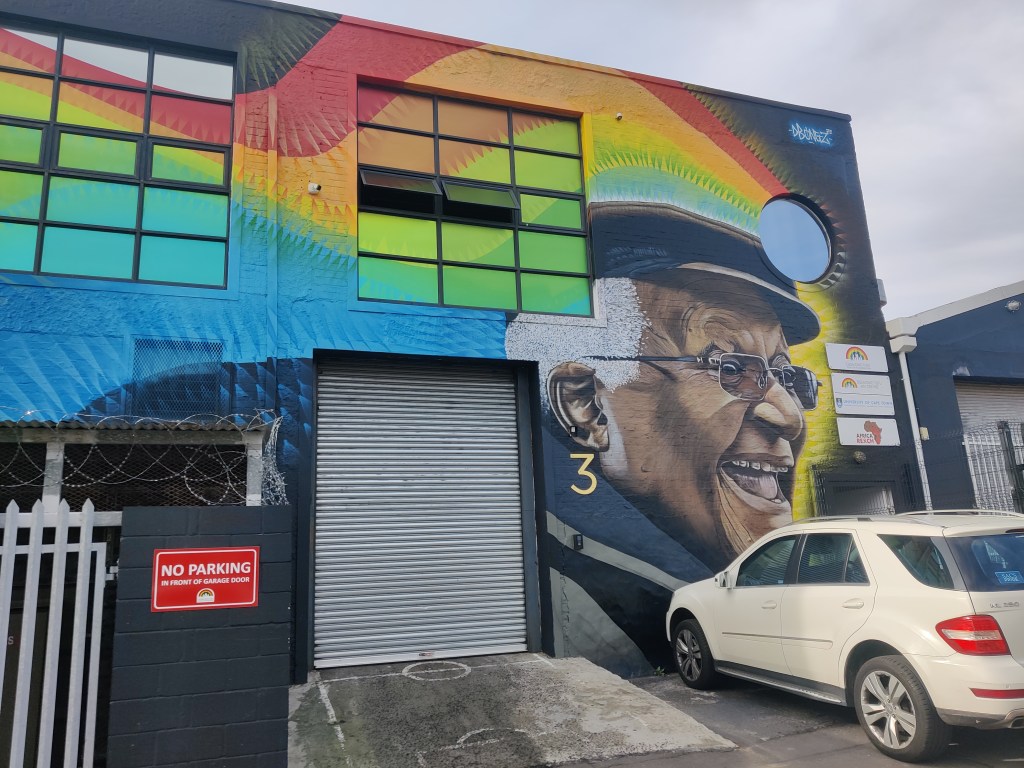
We realize that there is simply too much to do in Cape Town, and you might not have time for everything (we didn’t!). The ones you should definitely not miss include the Table Mountain and the Cape Peninsula. You can decide on the rest based on your interests and preferences. We were traveling with kids and also explored the V&A Waterfront, Camps Bay and Bo-Kaap areas, besides doing the Historic/ Cultural walking tour.
PLACES TO EAT:
You cannot go wrong with food in Cape Town, especially if you enjoy seafood! We are vegetarians, and here are some of the places we enjoyed eating at.
Trecastelli Tradizione Italiana: We went there after enjoying the sunset at BloubergstrandBeach; it has some really good desserts!
Maharajah: For good old Indian food!
Pure Good: This was a good pitstop for a healthy bite near the Aquarium.
Harbour House: This is a popular restaurant along the shore at Kalk Bay for fine dining. Enjoy the meal while watching the waves crash against its giant glass windows. Do note that vegetarian options are quite limited here though.
We end the blog with our suggested itinerary for a single South African trip. Check out our blogs on exploring the Garden Route and on planning the perfect South African safari for more details as well!
OUR SUGGESTED ITINERARY:
The ideal way to explore South Africa would be over two trips of 10-14 days each. You can explore Kruger and the Blyde River Canyon on one trip, and the Garden Route and Cape Town over another.
If however, you wish to cover majority over one trip, here is what we would suggest.
Day 1: Land at Jo’burg.
Day 2: Explore the Cradle of Humankind. If you are not going to a private game reserve at Kruger, go to the Lion Safari / Bothongo.
Day 3: Leave for Kruger early morning at 7 am. You may do an evening safari there once you reach.
Day 4 and 5: Do a full day safaris/bushwalks at Kruger National Park or a private game reserve near Kruger. You could consider spending one day in each as well.
Day 6: Drive back to Jo’burg after the morning safari. Catch an evening flight or next day early morning flight to George or Port Elizabeth (Gqeberha). Rent a car for the rest of the trip. Spend the night at Knysna or Stormsrivier village, depending on where you land.
Day 7: Start exploring the Garden Route. There are tonnes of things you can do here, depending on whether you want to go for natural beauty or adventure or relaxation or a mix of all of these. We would suggest starting by going to the suspension bridge at Tsitsikamma National Park and/or kayaking along the Storms River here. The Bloukrans Bungee Jumping is also close by, for those interested. You can go to the Knsyna Heads and Leisure Island for the sunset if you still have time. Spend the night at Plettenberg Bay/ Knysna.
Day 8: Consider trekking along Robberg Nature Reserve or doing a boat tour for the seals. Another option is to drive to Oudtshoorn for the Ostrich Farm and the Cango Caves. Spend the night at Mossel Bay or Kynsna.
Day 9: Drive to Hermanus/Gansbaai. Enjoy whale watching if it’s the season. Consider diving in a shark cage if this excites you. Do not miss going to Klipgat caves either today or the next day. Spend the night there.
Day 10: Drive to Betty’s Bay or Boulder Beach for the penguins. You can extend the trip to go to the Cape of Good Hope (Cape Point) as well. Drive to Cape Town for the night. Another option is to drive via Stellenbosch to taste South Africa’s best wines, and then take a separate day trip to the Cape Peninsula from Cape Town.
Day 11-13: Explore Cape Town. Things to do would include trekking or taking the cable car up to the Table Mountain, do a walking tour of Cape Town, savoring the lunch at Kalk Bay, going to Robben Island, and enjoying the sunset with the Table view at Bloubergstrand Beach.
Day 14: Fly back home with happy memories!
Given the tonnes of stuff to do, you can always add one or two more nights along Garden Route and at Kruger; there is no way you will ever get enough of the beauty South Africa has to offer.
 Travelously yours
Pingback: Exploring the Wild Side of South Africa: Planning the Perfect Kruger Safari Adventure – Travelously yours
Pingback: Planning the Ultimate Garden Route Itinerary – Travelously yours