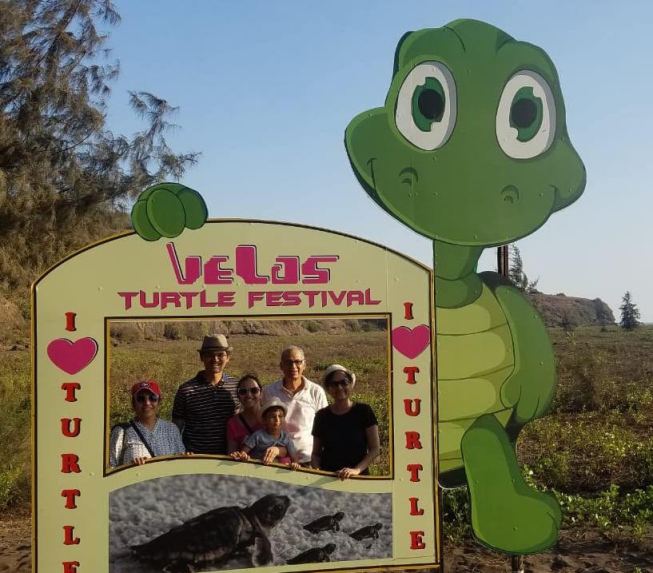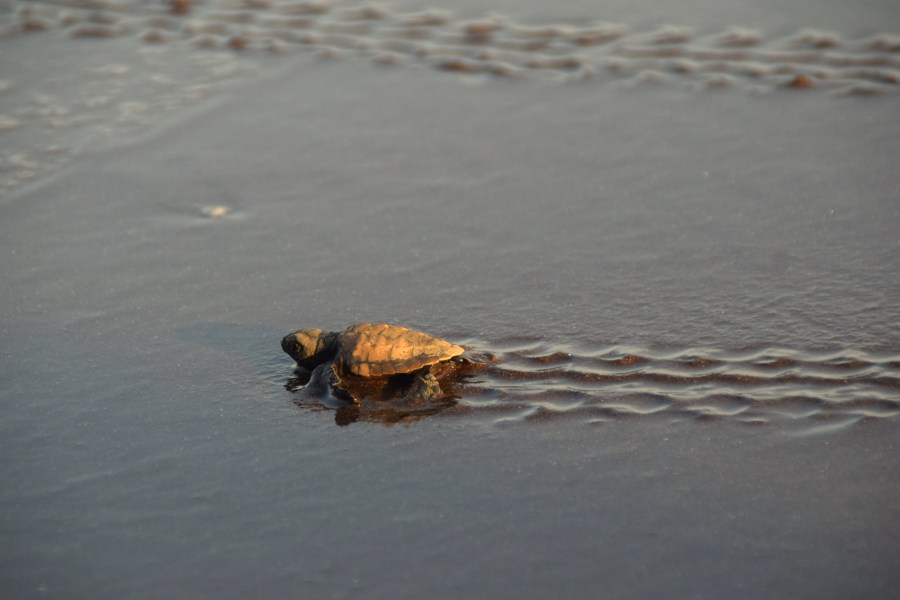
Maharashtra is home to the stunning Western ghats and the Konkan coast, with no dearth of vacation destinations. However, there are still many undiscovered gems away from the clichéd holiday crowd. Velas is one of them, offering you a perfect combination of a pristine beach, a countryside homestay, and our guests of honour, the endangered Olive Ridley turtles. A short weekend trip which doesn’t require much planning or packing, we would highly recommend going there during the Turtle festival.
General Tips:
Total time needed: 1 night (1-2 days)
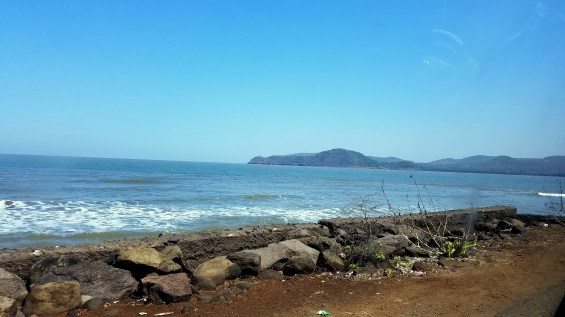
How to get there: Velas is a 5-hour drive from both Mumbai and Pune, around 200 km away from either. The closest major railway station is Chiplun, 100 km away, and private vehicles are available for hire from Chiplun. While the drive is long, there are a few beautiful stretches along the pristine Arabian Sea where you would love to pause and enjoy (like the one below).
You could choose between doing this yourself or through the many guided tours/ travel agencies. Most guided tour agencies from Mumbai offer an overnight drive to Velas, starting at 11 pm and reaching Velas by 5 am. The return trip is on the next day and usually combines a stopover at Harihareshwar en route. This seemed pretty tiring to us; besides, the tour operators generally offered only the dorm style accommodation (more on that ahead).
In contrast, we preferred to drive ourselves and started early Saturday morning from Mumbai, taking leisurely stops and reaching Velas in time for a late lunch. We got to see the hatchings in the evening and next morning. We explored the orchards post breakfast, before leaving for Harihareshwar, and then driving back to Mumbai.
When to go: The Velas festival happens in Feb/March (it is from 3rd-31st March 2020 for this year), and is the most popular time to go. However, Velas is extremely beautiful during the monsoon as well. Note that turtles often do continue to hatch even after the festival for a week or two; it would be advisable to call the locals to check on this. Also, as expected, weekdays are less crowded than weekends.
Where to stay: There are not many options available, as Velas has only homestays as a part of its unique eco-tourism program.
These homestays are very basic but clean and very reasonably priced. The locals are all kind and hospitable; the interactions with them and the home cooked meals served during the stay are very enriching experiences. There aren’t many dining options available outside the homestays anyways. We were able to get a reservation for one of the better places which could accommodate 2-3 people per room and had attached bathrooms. However, majority of the other homestays will be dormitory style, with around 10 people in a room. AC rooms were not available anywhere when we went in April 2019; generally the cool climate at Velas did not make us want one either.
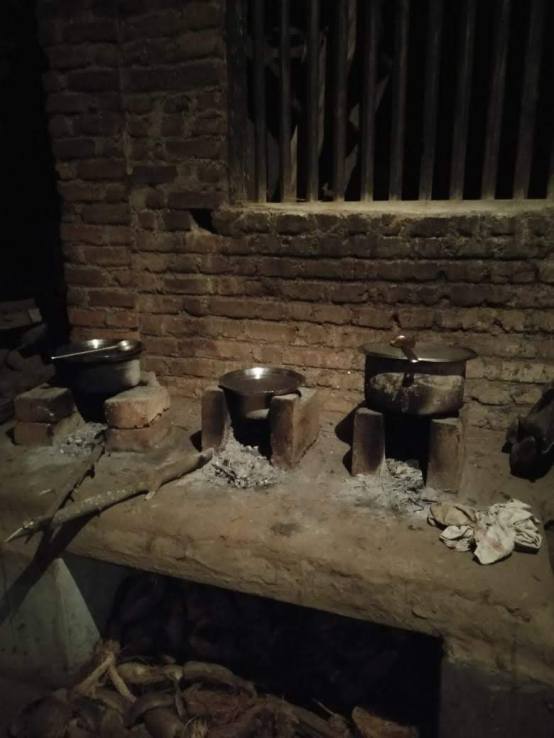
We had lovely chullha cooked meals during our stay!
We are sharing the number of the place we stayed and would highly recommend them:
Amol soman: Whatsapp no. 8985130772, Mobile no. 7499406462; Akshata soman: Whatsapp no. 9325282332, Mobile no. 9403574183. Note that local phone connectivity is weak, and replies may take a while.
Velas, the Olive Ridley Turtle, and the Turtle festival
Velas is a simple small village along the Konkan coast. Every year, thousands of Olive Ridley turtles come over to lay their eggs in the sands of Velas beach and other adjacent beaches. The turtles usually lay the eggs during mass nesting events called arribada (you can read more about this here), where many turtles come to the beach together to bury the eggs. They bury their eggs in the sand close to the sea, where the little turtles hatch after about 45-60 days (the beach is closed during the egg laying season to protect the turtles). Immediately after hatching, they begin one of the most dangerous journeys of their tender lives, digging their way out to the ground and then make the famed 100 meter walk from the beach to the sea. While the Gahirmatha (Marine) Wildlife Sanctuary at Orissa is the world’s largest and most famous rookery for viewing this phenomenon, Velas is a very conveniently located piece of pristine beach to witness these tiny creatures on the Western coast.
To give you further local historical background, the local Sahyadri Nisarga Mitra and the Kasav Mitra Mandal (Kasav = turtle), two bodies working on the environmental and on turtle conservation, worked together with the local community to create a lovely eco-tourism model which ensures that the turtles get conserved along with safeguarding the development of the residents Velas. This gave birth to the concept of homestays and of incorporating the people of Velas into the conservation efforts along with developing a sustainable financial model. Accordingly, no hotels are allowed in Velas; the only way to stay there is as homestays with the locals, giving you an authentic experience of the Konkan lifestyle.
The hatching ceremony
The turtle eggs, once laid on the Velas beach, are identified by the locals based on sandtracks, and dug out and collected inside safe enclosures, where they are buried back in the sand. They are all numbered in batches and covered by baskets, and are under watch 24×7. The locals can figure out which eggs have hatched underground based on the softness of the sand and the timeline of the batch.
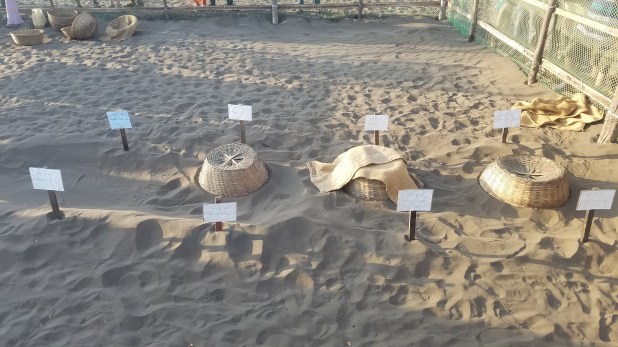
The turtle eggs are under the baskets (note the labels indicating the batch), keeping the audience guessing till they are checked in the morning and evening
Once you reach the beach, the ‘ceremony’ of uncovering the baskets over these eggs happens every morning and evening. The crowd around the enclosure waits with a baited breath as the baskets are picked up one by one to check whether there are any turtles underneath which have hatched. Usually, if you stay a day, you will strike gold, with anything from 1 to 50 turtles which might be out. We had 12 turtles hatched when we went.
The ‘Hatching ceremony’ and the audience reaction! You do not realize how small they are till you see them
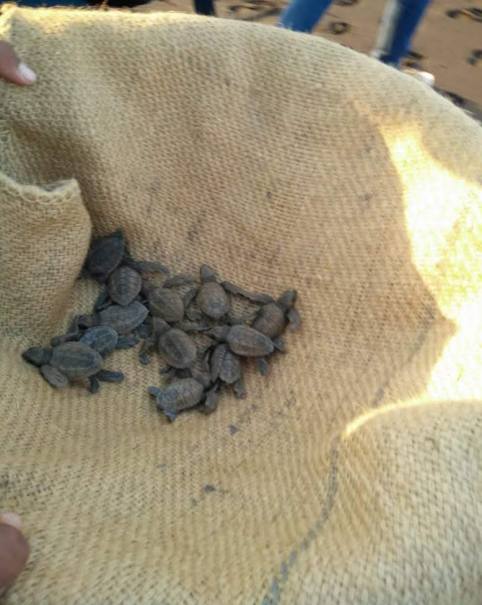
Our 12 babies!
Once the turtles are out, the locals lay them out on the beach after drawing barriers behind which the public can watch them. There is enough space and time for everyone to have their fair share of the view, as the little ones slowly walk and struggle their way to the sea, mimicking their natural lifecycle. Watching the delicate little creatures walk slowly but surely towards the sea is a sight to behold. It makes you appreciate frailty, and at the same time, the resilience of nature. It takes about half an hour for the turtles to complete their seaward journey.
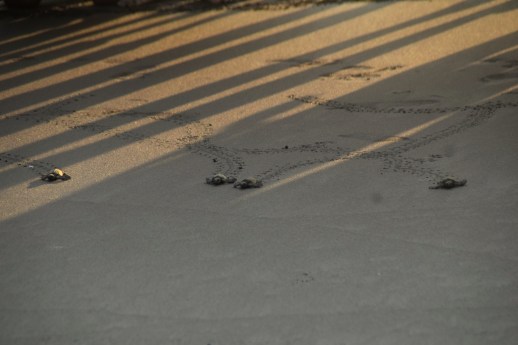
The turtles racing towards the finish line!
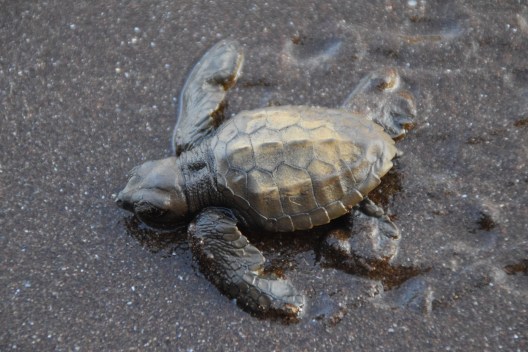
Up close and personal!
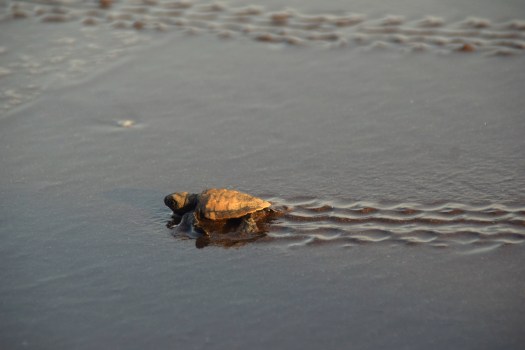
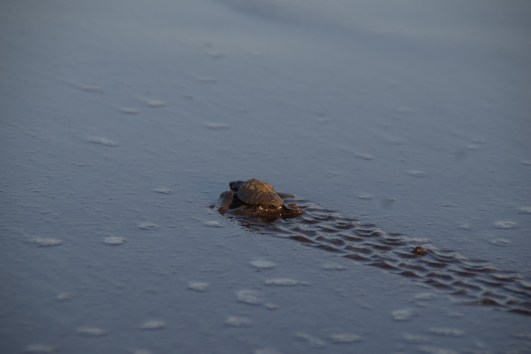
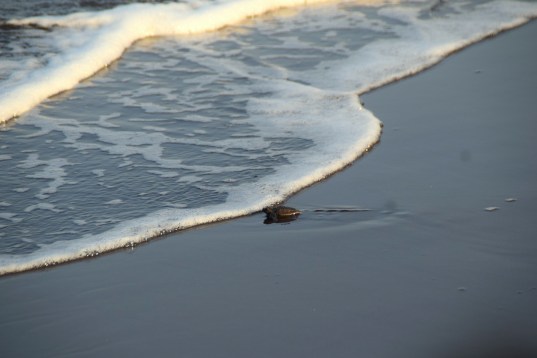
Success at last!
Seeing the little ones walk is a sight to behold!
The enclosure has a lot of information around it on the turtle lifecycle and on turtle conservation. The locals are also useful to chat with to understand more details about their work and efforts. It is indeed very informative and makes you admire the successful effort which went into making this model work so beautifully.
Once the turtles are in, the locals request everyone to keep away from the water for at least half an hour to allow the turtle to reach a safe distance. Unfortunately, (as expected in India), most tourists end up going in the water right away without paying any heed to these well intentioned requests. We hope you will not be one of them!
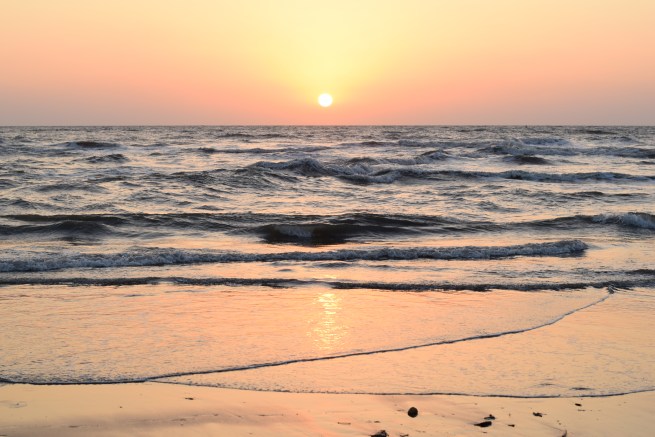
The magnificent sunset at the Velas beach
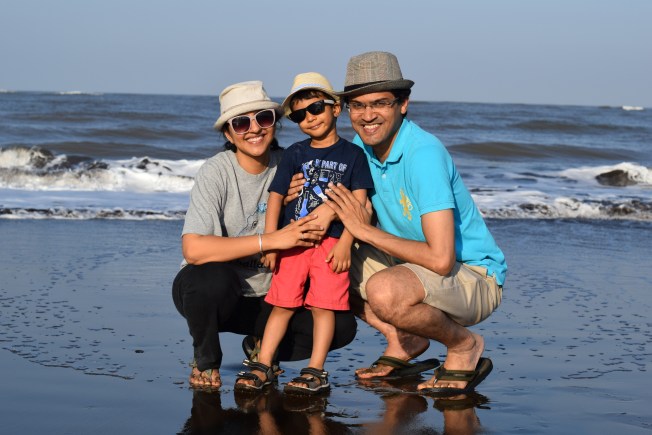
Yours truly with ours truly!
Other things to do in and around Velas:
Fruit orchards: While the beach is the chief attraction, there are multiple mango orchards around, and going to one of them is a fun experience. The owner of our homestay had a small orchard in the backyard itself, and took us for a small tour of it. You will also find refreshing jackfruits in abundance all around, and will almost certainly taste some form of a jackfruit meal during your homestay.
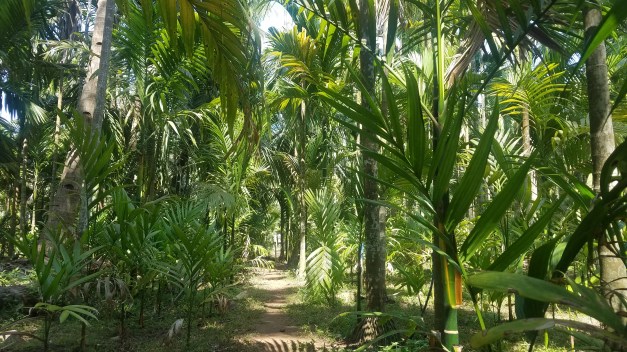
The orchard at our homestay’s backyard
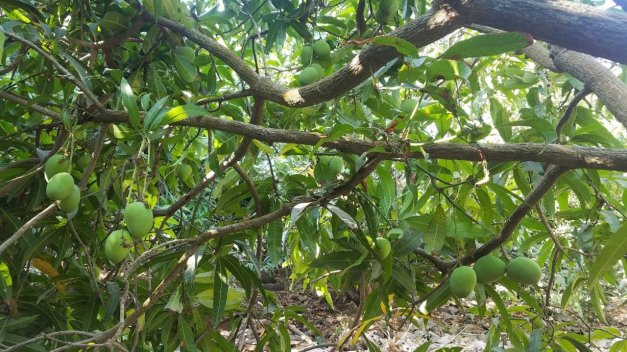
Trees bursting with raw mangoes at another orchard
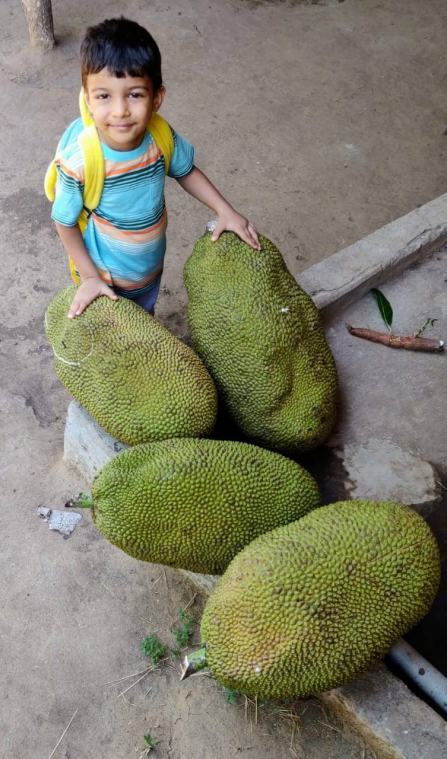
Our little one with some rather outsized jackfruits!
Bankot fort: a 10-min drive away, is a small ancient fort situated at a vantage point atop a hill, offering a lovely view from the top. It is a convenient thing to do given you would have the day free after breakfast. You can see a video of the fort here to decide if you would be interested in seeing it, especially if the weather is hot.
Harihareshwar Temple: While Google maps will show a 45 min drive, another convenient and rather interesting option is a taking a ferry across to Harihareshwar from Velas (your car will go on the ferry as well). Do check the ferry timings from your host. Harihareshwar is a famous shiv mandir, with a lovely beach to boot.
There are some experiences money cannot buy and there are some that don’t need too much money. Velas is one such unmissable place where nature will amaze you in more than one way.
PS: The Turtle Festival is from 3rd-31st March 2020 this year ( and probably will extend beyond to mid April as well from what we understood from the locals). The Olive Ridley turtles are waiting for you!